The Uganda travel advisory on Ebola is finally moving in the right direction, because Uganda is now Ebola free. On 27 August 2026, the World Health Organization formally confirmed the end of the country's Ebola outbreak, and that single fact is what changes the calculus behind every government's Uganda travel advisory on Ebola rating.
A travel advisory is not the same thing as a news headline. It is an official classification issued by a government agency, and it directly affects whether embassies restrict staff travel, whether insurers apply exclusions, and whether nervous travelers feel comfortable booking. Understanding how the Uganda travel advisory on Ebola works, and what changes now that Uganda is Ebola free, matters more than reading another summary of outbreak statistics.
Quick summary: Uganda's Ebola outbreak officially ended on 27 August 2026. The Uganda travel advisory on Ebola held by most Western governments before the outbreak was already a moderate "exercise increased caution" rating unrelated to disease risk. Any outbreak-specific advisory language added during the response has lost its justification and is being reviewed or lifted by the governments that issued it.
At Tulambule Uganda Safaris, we track official advisory language from multiple governments daily, not because we enjoy bureaucracy, but because it is one of the clearest signals for travelers trying to separate real risk from outdated caution.
What Is a Travel Advisory, and Why Does the Uganda Travel Advisory on Ebola Matter?
A travel advisory is a formal risk rating issued by a national government for its own citizens traveling abroad. The United States, United Kingdom, Canada, Australia, and most European Union states each maintain their own independent system, which is why the Uganda travel advisory on Ebola can look slightly different depending on which country's guidance you check.
Most systems use a tiered scale. The US State Department, for example, rates every country from Level 1 ("Exercise Normal Precautions") to Level 4 ("Do Not Travel"). The UK's Foreign, Commonwealth and Development Office (FCDO) uses advisory maps that flag specific regions rather than whole countries in many cases.
The Uganda travel advisory on Ebola, or rather the baseline rating before Ebola became a factor, sat at a moderate tier before the 2026 outbreak, generally comparable to advisories for popular destinations like France, Italy, or Japan. That baseline rating reflected ordinary travel considerations such as petty crime in urban areas and road conditions, not any disease related concern.
How the Ebola Outbreak Shaped the Uganda Travel Advisory on Ebola
When Uganda confirmed its first Ebola cases on 15 May 2026, several governments moved quickly to update the Uganda travel advisory on Ebola with outbreak specific language. This typically took the form of an added health notice rather than a full advisory level downgrade, since the confirmed cases were concentrated around Kampala and linked to travelers arriving from the Democratic Republic of Congo.
Some countries went further. A small number of governments applied enhanced screening requirements for travelers arriving from Uganda, and at least one government reportedly categorized the country under a broader regional health alert during the early, most uncertain weeks of the outbreak, according to Uganda's own tourism sector commentary at the time.
This is a common pattern with outbreak related advisories. Governments tend to move quickly and cautiously when an outbreak is first confirmed, then reassess more slowly as the situation clarifies. That lag is exactly what is playing out with the Uganda travel advisory on Ebola right now.
The Uganda Travel Advisory on Ebola After the Official Ebola Free Declaration
With Uganda's outbreak formally closed by WHO and Africa CDC on 27 August 2026, following a completed 42 day monitoring period with zero new cases, the health justification behind any outbreak specific Uganda travel advisory language no longer exists.
Uganda's Ministry of Health has been explicit in calling on governments that added restrictions during the outbreak to lift them. Health officials have said plainly that, absent some unrelated reason, there is no longer a public health basis for maintaining outbreak era Uganda travel advisory language.
In practice, expect this to unfold unevenly. Governments that closely track WHO guidance, and several already have systems designed to reassess quickly once an outbreak closes, tend to update their Uganda travel advisory on Ebola within days to a couple of weeks. Others move on a slower internal review cycle and may take longer, particularly given that Ebola transmission continues in neighboring DRC.
How to Check the Current Uganda Travel Advisory on Ebola for Your Country
Because advisory systems vary and update independently, always check your own government's current guidance directly rather than relying on outbreak era news coverage. A few reliable starting points:
- US travelers: the State Department's travel.state.gov advisory page for Uganda
- UK travelers: the FCDO travel advice page for Uganda
- Canadian travelers: the Government of Canada's travel advisory tool
- EU travelers: your national foreign ministry's travel advisory page, since EU member states do not share a single unified system
- All travelers: the WHO's disease outbreak news page for the most current international health assessment
What the Uganda Travel Advisory on Ebola Does Not Tell You
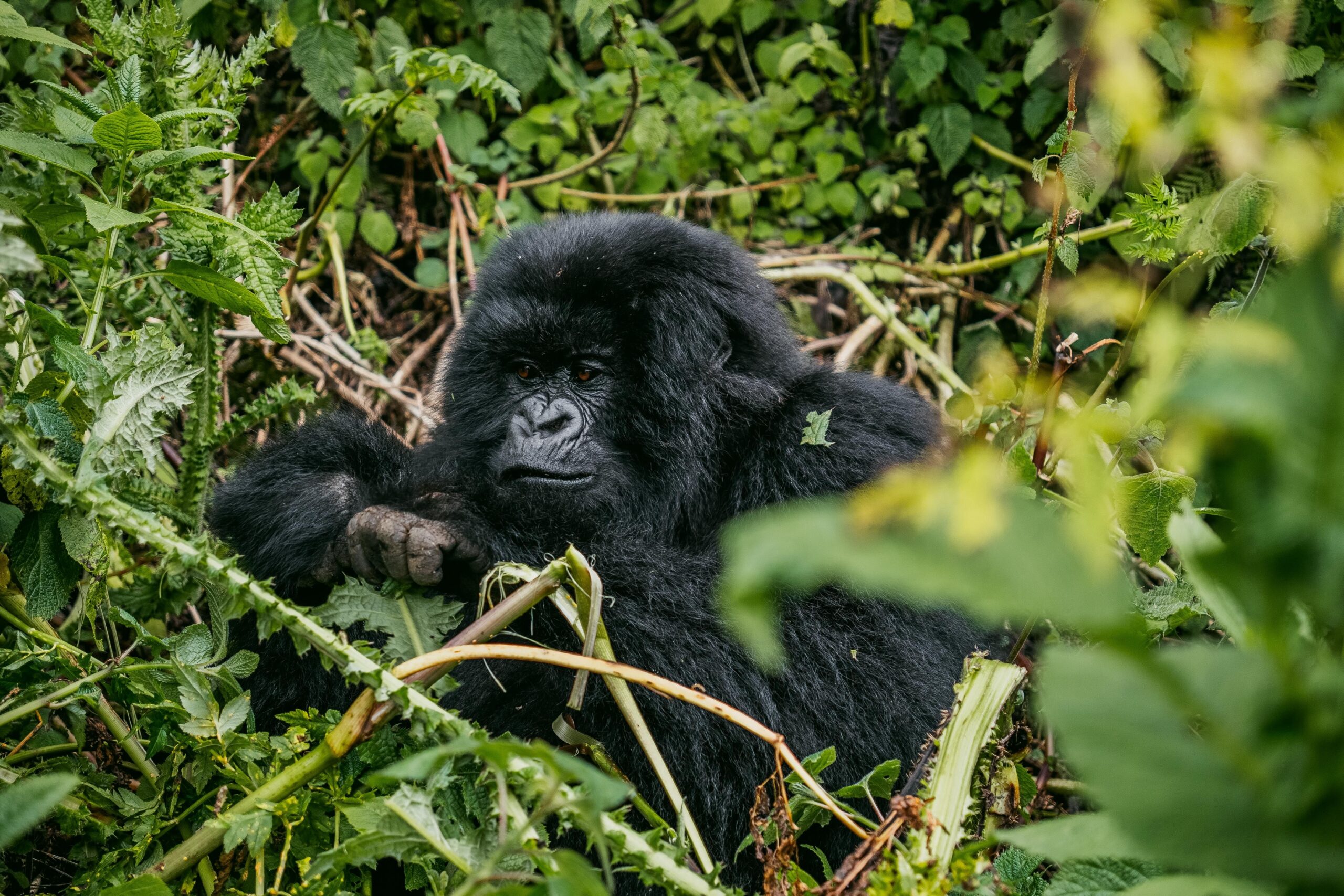
A travel advisory is a useful signal, but it is a blunt one. It rates an entire country with a single classification, which means it often cannot reflect the reality that Uganda's safari destinations, Bwindi Impenetrable National Park, Mgahinga Gorilla National Park, Murchison Falls, and Queen Elizabeth National Park, were never near the outbreak's confirmed cases at any point.
This is worth understanding before you let a lagging Uganda travel advisory on Ebola rating make a decision for you. All of Uganda's confirmed 2026 Ebola cases were centered around Kampala and directly linked to travelers arriving from DRC's Ituri Province. Not a single case was recorded in or near any of Uganda's gorilla trekking or wildlife safari regions throughout the entire outbreak.
If you want the detailed geography and safety breakdown behind that claim, our earlier article, Is Gorilla Trekking Safe During the Ebola Outbreak, walks through exactly why the outbreak zone and the trekking parks were never connected. Our more recent update, Uganda Ebola-Free: Safari Safety Update for Travelers, covers the full outbreak timeline and official declarations in more detail.
Uganda's Advisory History: Context Before the 2026 Outbreak
It helps to understand where Uganda's advisory rating stood before this outbreak, because that baseline is what governments are expected to return to now that the health situation has resolved.
Uganda has held a broadly stable advisory position with most Western governments for well over a decade. The US State Department's Level 2 rating, "Exercise Increased Caution," places Uganda alongside dozens of popular travel destinations worldwide, reflecting general considerations like urban petty crime rather than any elevated security or health threat.
That baseline rating was not created by, and does not depend on, disease outbreak status. Uganda has managed multiple Ebola and Marburg outbreaks over the past two decades, including events in 2000, 2007, 2012, 2019, 2022, and 2025, and its underlying advisory rating from most governments held steady through each of those episodes once the outbreaks were contained.
This track record matters for interpreting where things go next. Rather than a Uganda travel advisory on Ebola built from scratch around this single event, what is actually happening is a temporary layer of outbreak specific caution being peeled back to reveal the same stable baseline rating that existed before 15 May 2026.

Why Advisory Lag Should Not Decide Your Booking Alone
Every experienced traveler eventually learns that a national travel advisory reflects a government's institutional caution as much as it reflects real time, on the ground conditions. Advisory updates go through review processes, legal considerations, and inter agency coordination, none of which move at the speed of an actual outbreak's resolution.
That is precisely why we recommend combining the official Uganda travel advisory on Ebola with direct, current information from an operator running trips there right now. A licensed tour operator sees daily conditions on the ground long before that reality gets reflected in a government's formal classification.
At Tulambule Uganda Safaris, we have operated through the full arc of this outbreak, from the first confirmed case in May to the international declaration in August, without pausing operations at any point. That continuity gives us a clearer, more current picture than any single advisory page can offer on its own.
What This Means for Your Uganda Safari Plans
If you have been holding a booking decision until the Uganda travel advisory on Ebola picture clarified, here is where things stand today:
- Uganda's outbreak is fully and officially closed, confirmed by both WHO and Africa CDC as of 27 August 2026
- Outbreak specific advisory language has lost its justification and is being reviewed or lifted by the governments that added it
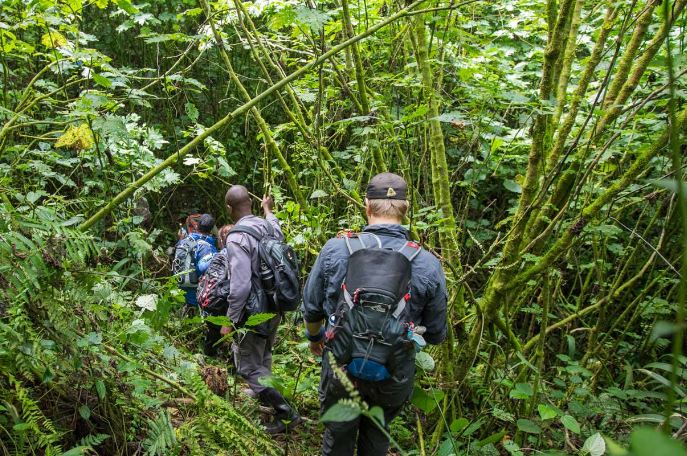
- Safari destinations were never inside the outbreak zone, so any advisory lag does not reflect actual on the ground risk in Bwindi, Mgahinga, Murchison Falls, or Queen Elizabeth
- Standard advisory caveats still apply, the same ordinary travel precautions relevant to any international trip, unrelated to Ebola
- Border surveillance with DRC continues, a sign of a functioning health system rather than a reason for concern about safari travel
A Note on Travel Insurance
Regardless of where any government's Uganda travel advisory on Ebola currently sits, comprehensive travel insurance covering medical evacuation and trip interruption is good practice for any international safari, not a response to elevated risk. This is the same advice we give every client, in every season, for every destination we operate in.
If your policy was purchased or renewed during the outbreak months, it is worth a quick check that coverage terms have not changed now that conditions have normalized. Most standard policies were unaffected throughout, since Uganda's safari regions were never subject to any operational restriction.
Frequently Asked Questions About the Uganda Travel Advisory on Ebola
What is Uganda's current travel advisory on Ebola?
Uganda's baseline advisory level from most Western governments sits at a moderate tier comparable to popular destinations such as France or Japan. Any Ebola-specific advisory language added during the 2026 outbreak is being reassessed now that WHO and Africa CDC have declared the outbreak over.
Has the Uganda travel advisory on Ebola been downgraded?
Some governments added outbreak specific health notices to their Uganda travel advisory on Ebola during the response, generally short of a full advisory level change. With the outbreak formally closed, these notices are expected to be lifted or reviewed, though timing varies by country.
Where can I check the current Uganda travel advisory on Ebola for my country?
Check your own government's official source directly. US travelers should use the State Department's travel.state.gov, UK travelers the FCDO travel advice page, and Canadian travelers the Government of Canada's advisory tool. These update independently of one another.
Does the Uganda travel advisory on Ebola affect gorilla trekking permits or safari bookings?
No. Gorilla trekking permits, national park access, and safari operations across Uganda continued without interruption throughout the outbreak. Advisory ratings reflect a government's official country wide caution level, not operational restrictions inside Uganda itself.
Should I wait for my government's Uganda travel advisory on Ebola to update before booking?
That is a personal risk decision, but it is worth knowing that advisory updates often lag real world conditions by days or weeks. Combining current advisory information with direct guidance from a licensed operator on the ground gives a more complete picture than either source alone.
Continue Planning Your Trip
The outbreak is closed, the parks are open, and the Uganda travel advisory on Ebola picture is actively improving as governments catch up with the official declaration. If you want an honest, current assessment before you commit to dates, we are glad to help.
- Browse our ready-made itineraries for inspiration
- Use our Build My Safari tool to design a trip around your dates and interests
- Contact us directly for a current, honest assessment before you book
Always confirm the latest official Uganda travel advisory on Ebola directly from your own government's foreign affairs website before you travel, alongside guidance from the World Health Organization and Uganda's Ministry of Health.
10 Uganda Safari Forests and Bushes Worth Exploring
Guided Uganda Gorilla Safari Tours: Everything You Need to Know Before You Trek
Uganda Lion Tracking Safari Tours: The Complete 2026/2027 GuideEast Africa Safari Cancellations 2026: Why Smart Travellers Are Booking Uganda & Rwanda Right Now