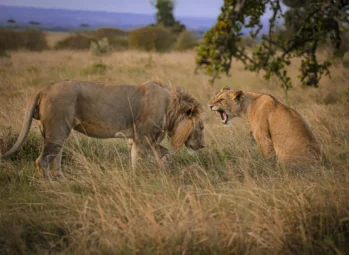
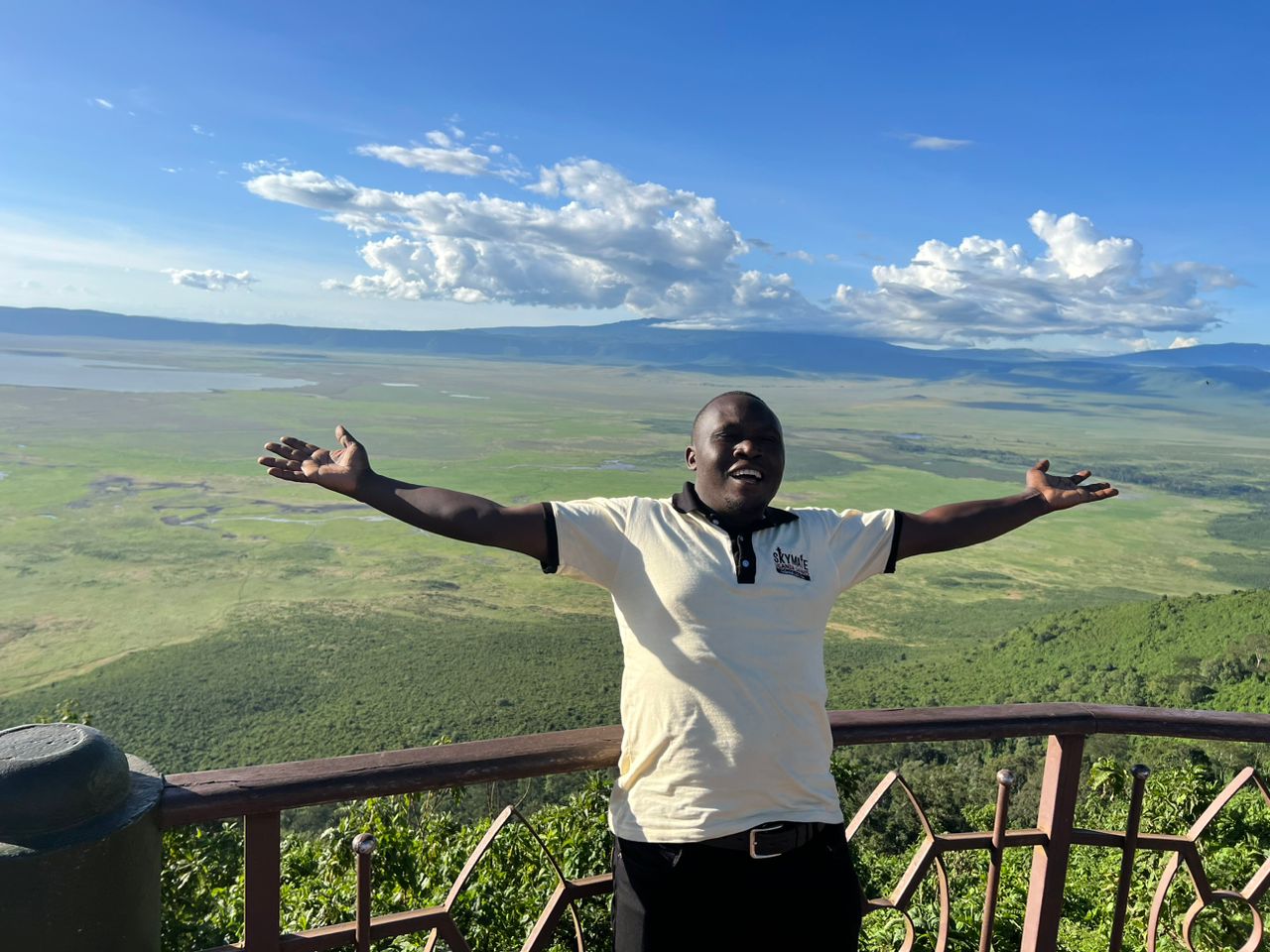
Choosing between a Uganda vs Tanzania safari is one of the most common questions we hear from travellers planning East Africa. Both countries offer world-class wildlife, but the experiences are very different. Uganda is the primate capital of Africa, with mountain gorillas, chimpanzees and green, uncrowded parks. Tanzania is classic savannah country, home to the Serengeti, the Ngorongoro Crater and the Great Migration.
As a licensed Ugandan operator that also runs safaris in Tanzania, we plan both every week. This guide compares a Uganda vs Tanzania safari honestly, difference by difference, so you can pick the right one for you, or see why many of our guests combine the two.
Quick answer:
-
- Choose Uganda for gorilla trekking, chimpanzees, varied green landscapes, fewer vehicles and a strong mix of wildlife and adventure.
- Choose Tanzania for huge herds, the Great Migration, the Ngorongoro Crater, classic Big Five game drives and an easy Zanzibar beach extension.
- Choose both if you have 10 days or more: trek gorillas in Uganda, then fly to Tanzania for the Serengeti.
Uganda vs Tanzania Safari at a Glance
This table sums up the main points of a Uganda vs Tanzania safari before we look at each one in detail.
| Feature | Uganda | Tanzania |
|---|---|---|
| Signature experience | Mountain gorilla and chimpanzee trekking | Great Migration and Serengeti game drives |
| Big Five | Yes: rhinos at Ziwa Sanctuary, lions, leopards, elephants and buffaloes in the parks | Yes, and easier to see in one place, especially in the Ngorongoro Crater |
| Primates | About half of the world’s mountain gorillas, plus chimpanzees in several forests | No mountain gorillas; chimpanzees only in remote Gombe and Mahale |
| Landscapes | Rainforest, crater lakes, mountains, the Nile and savannah | Wide grassland plains, the crater, baobabs and Mount Kilimanjaro |
| Crowds | Quieter parks with fewer vehicles | Busy in the Serengeti and Ngorongoro in peak season |
| Main permit or fee | Gorilla permit USD 800 per person | Serengeti about USD 83 per adult per day, plus the crater fee |
| Best time | June to September and December to February | June to October, plus January to February for calving |
| Beach add-on | Lake beaches and islands, such as the Ssese Islands | Zanzibar, one of Africa’s best beach islands |
10 Key Differences in a Uganda vs Tanzania Safari
Here is how a Uganda vs Tanzania safari compares on the things that matter most when you plan your trip.
1. Gorillas and Chimpanzees: Uganda’s Biggest Advantage
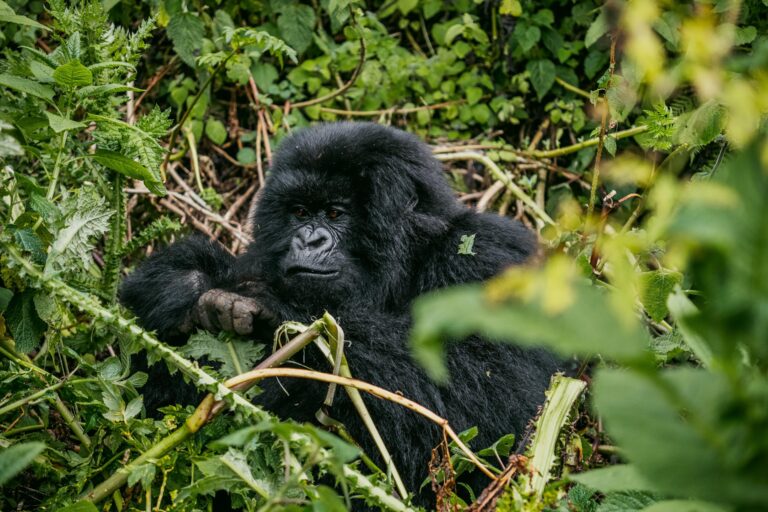
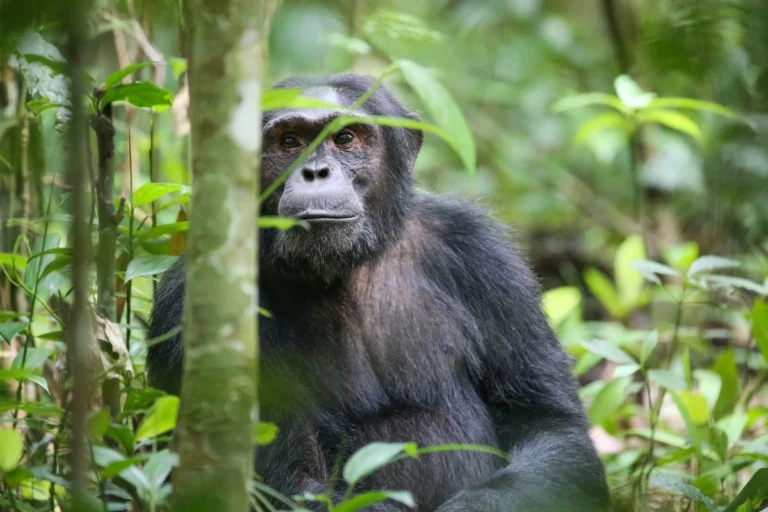
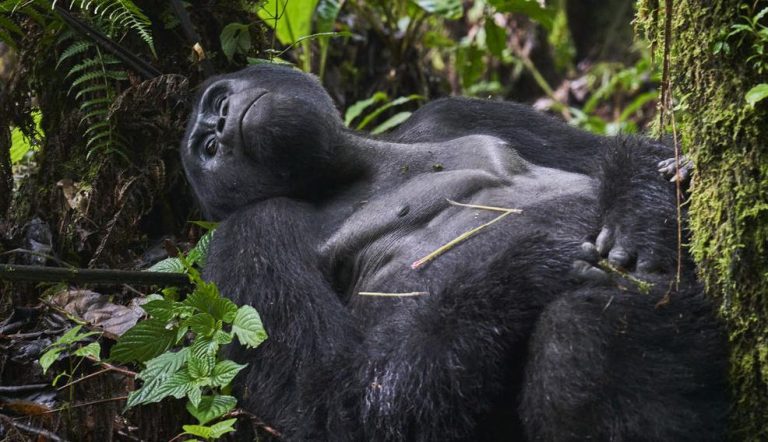
If seeing great apes is on your list, Uganda wins clearly. Bwindi Impenetrable Forest and Mgahinga hold about half of the world’s 1,063 mountain gorillas, and a gorilla trek in Uganda lets you spend one unforgettable hour with a habituated family. A Uganda gorilla permit costs USD 800 per person, compared with USD 1,500 in Rwanda.
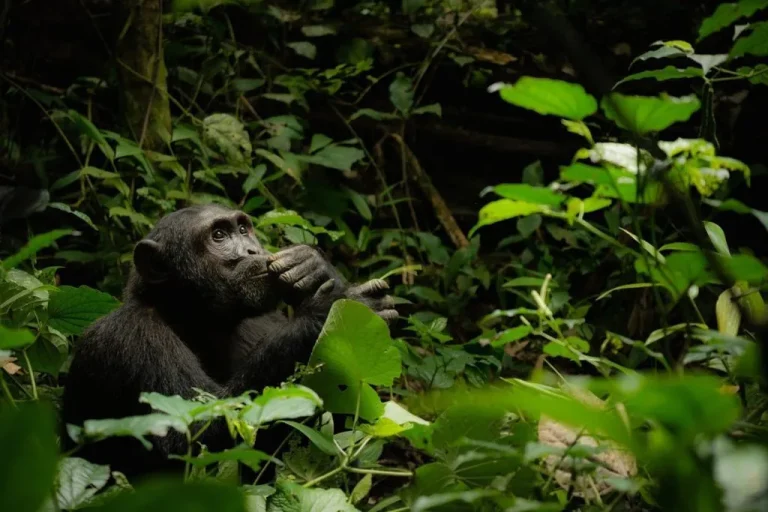
Uganda is also the best place in East Africa for chimpanzees, with treks in Kibale Forest, Budongo and Kyambura Gorge. Tanzania has no mountain gorillas, and its chimpanzees live only in Gombe and Mahale on Lake Tanganyika, which need long, costly flights. On a Uganda vs Tanzania safari, primates are where Uganda has no rival.
2. The Great Migration: Tanzania’s Showpiece
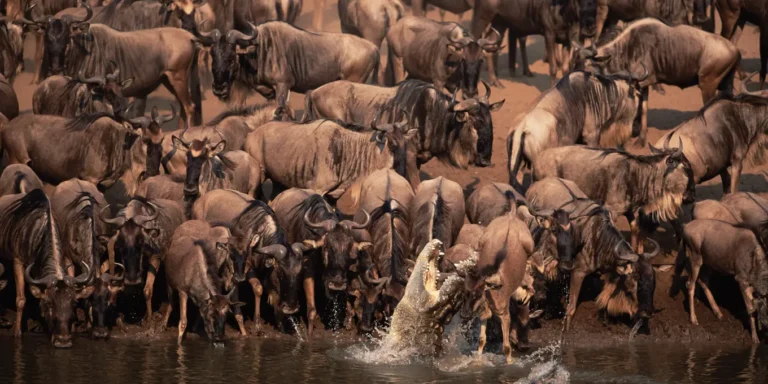
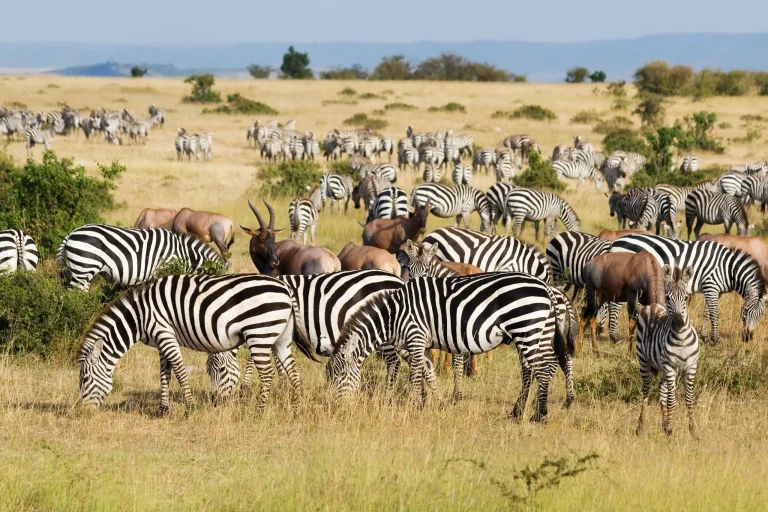
Tanzania’s answer is the Great Migration. About 1.5 million wildebeest, with hundreds of thousands of zebras and gazelles, move in a yearly circle through the Serengeti and into Kenya’s Masai Mara, followed by lions, cheetahs and hyenas. From January to March the herds give birth in the southern Serengeti, and from about July to October they make the famous Mara River crossings in the north.
Uganda has nothing on this scale, so in a Uganda vs Tanzania safari choice this is Tanzania’s strongest card. If the migration is your dream, Tanzania should be part of your trip. See our wildebeest migration safari packages and our guide to the best time to visit the Serengeti.
3. Big Five Game Viewing
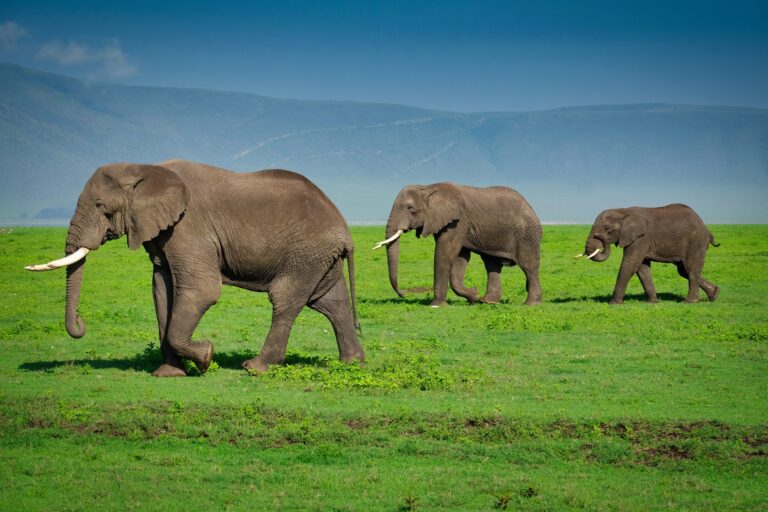
Both countries have the Big Five, but Tanzania makes them easier to see. The Ngorongoro Crater, a sunken caldera about 600 m deep, packs lions, elephants, buffaloes and some of Tanzania’s last wild black rhinos into one bowl, and many guests see four of the Big Five in a single morning (read our facts about the Ngorongoro Crater).
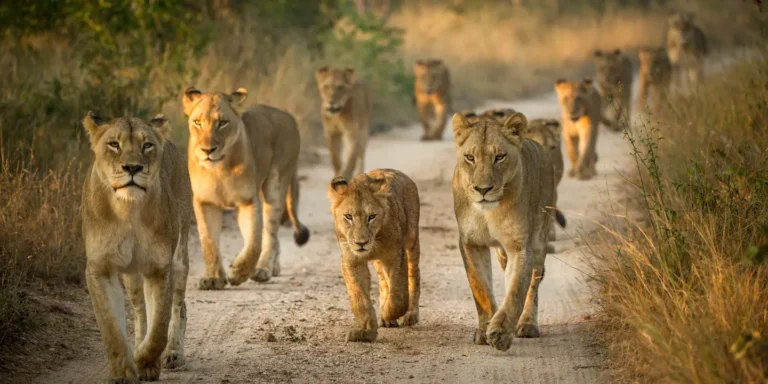
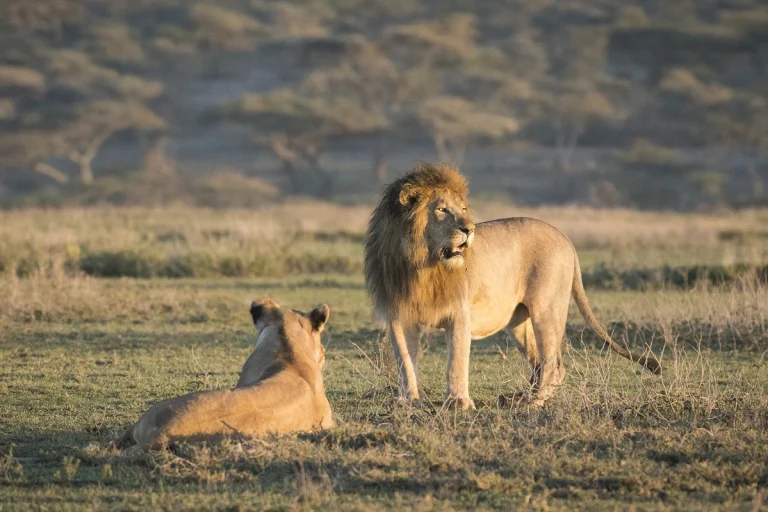
Uganda spreads its Big Five across several parks. You track white rhinos on foot at Ziwa Rhino Sanctuary, see elephants, buffaloes and lions in Murchison Falls and Queen Elizabeth, and search for the tree-climbing lions of Ishasha. Game density is lower than in the Serengeti, but sightings feel more personal. For pure game density, Tanzania takes this round of the Uganda vs Tanzania safari contest.
4. Landscapes and Scenery
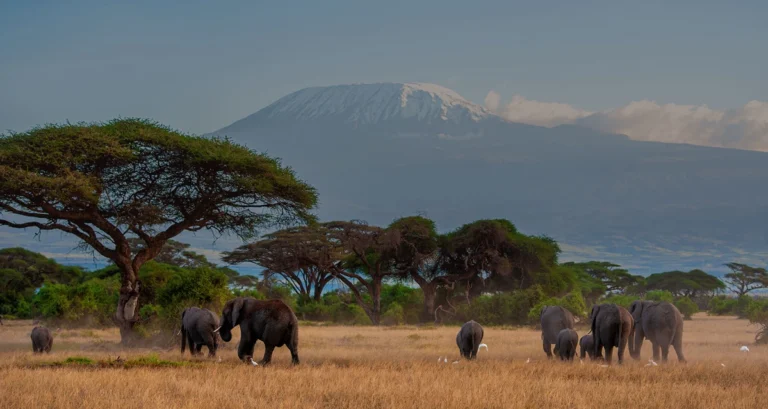
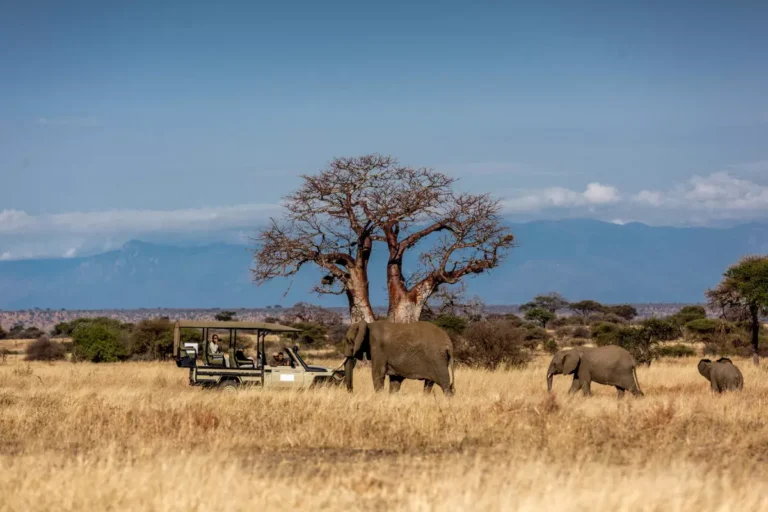
Tanzania is the Africa of films: endless golden grassland, flat-topped acacias, giant baobabs in Tarangire and the snowy peak of Mount Kilimanjaro, at 5,895 m the highest mountain in Africa.
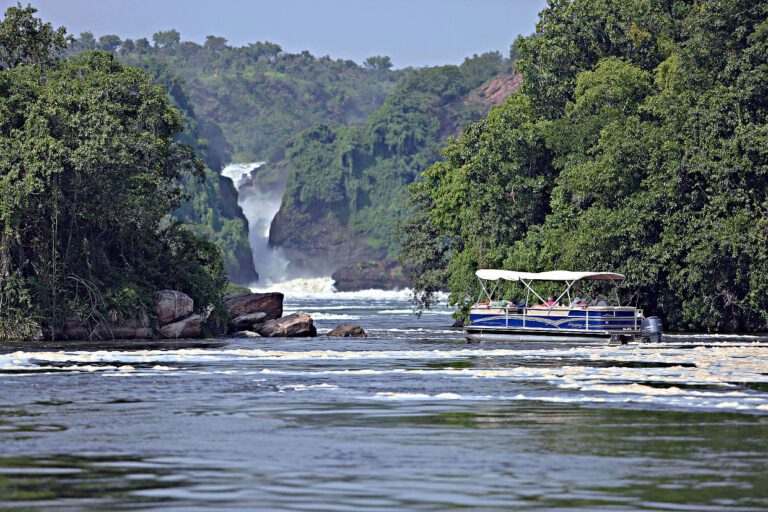
Uganda is greener and more varied. In one trip you can see the Nile thunder through a 7-metre gap at Murchison Falls, cruise the Kazinga Channel, walk through misty rainforest, look over crater lakes near Fort Portal and see the snow-capped Rwenzori Mountains. Travellers who love variety often rate Uganda higher on scenery when they weigh up a Uganda vs Tanzania safari.
5. Crowds and Exclusivity
Tanzania’s fame has a cost: in peak season, dozens of vehicles can gather around a single lion pride or river crossing, and the Ngorongoro Crater gets busy every morning. Quieter southern and western parks, such as Nyerere and Ruaha, avoid this but add flight costs.
Uganda’s parks are far less crowded. Gorilla groups are limited to 8 visitors a day per family, and in parks such as Kidepo Valley you may not see another vehicle all day. If you want a wild, private feel, this is one of the biggest reasons to choose Uganda in a Uganda vs Tanzania safari decision.
Not sure which country suits you?
Tell us your dates, budget and the animals you most want to see. Our team plans Uganda, Tanzania and combined safaris every week and will send you an honest recommendation and a free quote.
6. Cost: Permits and Park Fees
Park fees shape the price of any safari. In Uganda, most national parks charge foreign visitors USD 40 to 45 per person per day. The big extra is the gorilla permit at USD 800, while a Kibale chimpanzee permit is USD 250 in 2026 and USD 300 from 1 January 2027.
Tanzania’s northern parks are more expensive day to day. The Serengeti charges about USD 83 per adult per day including VAT, concession fees apply if you sleep inside the park, and each vehicle pays about USD 295 to drive down into the Ngorongoro Crater. Fees can change, so always check current rates with the Tanzania National Parks Authority and the Uganda Wildlife Authority.
7. Activities Beyond Game Drives
Uganda offers more variety for active travellers: gorilla and chimpanzee trekking, boat cruises on the Nile and the Kazinga Channel, rhino tracking on foot, white-water rafting on the Nile in Jinja, crater-lake hikes, shoebill canoe trips and community visits.
Tanzania focuses on game drives, but adds hot-air balloon flights over the Serengeti, Maasai and Hadzabe cultural visits, walking safaris and the chance to climb Kilimanjaro. Either way, a Uganda vs Tanzania safari makes for an unforgettable trip; the difference is style.
8. Best Time to Visit
Uganda’s best months are June to September and December to February, when trails are drier for trekking, but gorillas can be seen all year and the green season brings lower prices (see the best time to visit Uganda). Tanzania is best from June to October for dry-season game viewing and river crossings, and from January to February for the calving season. April and May are the long rains in both countries, so plan a Uganda vs Tanzania safari around them if you can.
9. Beach Extensions
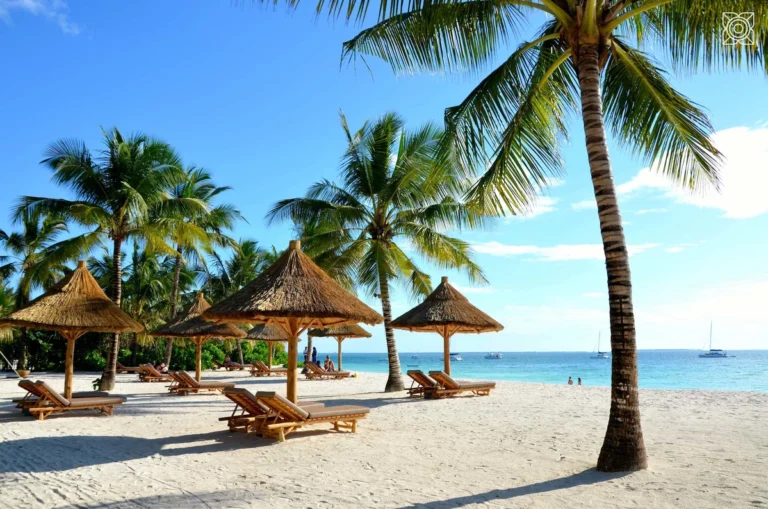
Tanzania wins for beaches. After the Serengeti, a short flight takes you to Zanzibar for white sand, turquoise water, snorkelling and historic Stone Town (see our Zanzibar holidays). Uganda has relaxed lake beaches and the Ssese Islands on Lake Victoria, but not the Indian Ocean. Many guests solve the Uganda vs Tanzania safari puzzle by trekking gorillas in Uganda and finishing on Zanzibar.
10. Getting There, Visas and Safety
Uganda’s main gateway is Entebbe International Airport, and Tanzania’s safari gateway is Kilimanjaro International Airport near Arusha. Regional flights link the two in a few hours. Uganda’s single-entry e-visa costs USD 50, and the USD 100 East Africa Tourist Visa covers Uganda, Kenya and Rwanda, but not Tanzania, which needs its own visa (see Uganda visa requirements and Tanzania visas). Both countries need a yellow fever certificate.
Both are generally safe for safari travellers who book with a licensed operator. Read our guides on safety in Uganda and safety in Tanzania.
Uganda vs Tanzania Safari Costs Compared
A Uganda vs Tanzania safari can cost a similar amount overall, but the money goes to different places. In Uganda, the gorilla permit is the largest single cost, while lodges and park fees are often a little lower. In Tanzania, higher daily park, concession and crater fees add up, especially on longer trips.
- Uganda: a mid-range private safari with gorilla trekking often costs around USD 350 to 550 per person per day, depending on group size, season and lodges.
- Tanzania: a mid-range northern-circuit safari often costs around USD 400 to 650 per person per day.
- Both: luxury lodges and fly-in safaris can double these figures in either country.
For a detailed breakdown, read our guide to Uganda safari costs, or ask us for a free, itemised quote. We include all permits and park fees, so there are no surprises later.
Uganda vs Tanzania Safari: Who Should Choose Uganda?
- Travellers who dream of seeing mountain gorillas and chimpanzees in the wild
- Repeat visitors to Africa who want something new and less crowded
- Active travellers who enjoy hiking, boat trips, rafting and nature walks
- Birders: Uganda has more than 1,000 bird species, including the shoebill
- Photographers who want green, varied landscapes and close primate encounters
Uganda vs Tanzania Safari: Who Should Choose Tanzania?
- First-time safari travellers who want huge herds and classic savannah game drives
- Anyone set on seeing the Great Migration and river crossings
- Families who want easy, high-density Big Five viewing
- Couples and honeymooners who want to finish with a Zanzibar beach holiday
- Travellers who want to combine a safari with climbing Kilimanjaro
Why Not Both? Combining a Uganda and Tanzania Safari
For many of our guests, the best answer to the Uganda vs Tanzania safari question is to do both. With 10 to 15 days you can trek gorillas in Bwindi, add chimpanzees in Kibale, then fly to Kilimanjaro for Tarangire, the Serengeti and the Ngorongoro Crater, and even finish on Zanzibar.
A typical combined route looks like this: arrive in Entebbe, fly to Bwindi for gorilla trekking, return to Entebbe, fly to Tanzania, then spend five or six days on Tanzania’s northern circuit. Read more in our guide to combined Uganda and Tanzania safaris.
Uganda vs Tanzania Safari: Our Honest Verdict
There is no wrong choice in a Uganda vs Tanzania safari. Pick Uganda if primates, variety and quiet parks matter most. Pick Tanzania if big herds, the Great Migration and a beach finish come first. If you can, combine them: gorillas in the morning mist and lions on the Serengeti plains make for the perfect East African journey.
Still comparing destinations? See our guides to Uganda vs Kenya, Uganda vs Rwanda for gorillas and Tanzania vs Kenya.
Book Your Uganda vs Tanzania Safari
Ready to book? Whichever side of the Uganda vs Tanzania safari debate you land on, each of these private safaris can be tailored to your dates, budget and travel style.
Want a different route? Browse our Tanzania safaris or Uganda gorilla safaris, or let us design a private trip for you.
Plan your Uganda or Tanzania safari with Tulambule
Gorilla permits and Serengeti lodges sell out months ahead in peak season. Send us your dates and we will check availability and send you a free quote within 24 hours.
UTB Licence UTB/RTT/TT/2025/101877 • Licensed by UTB and UWA • Member of AUTO • Rated 4.9 on TripAdvisor