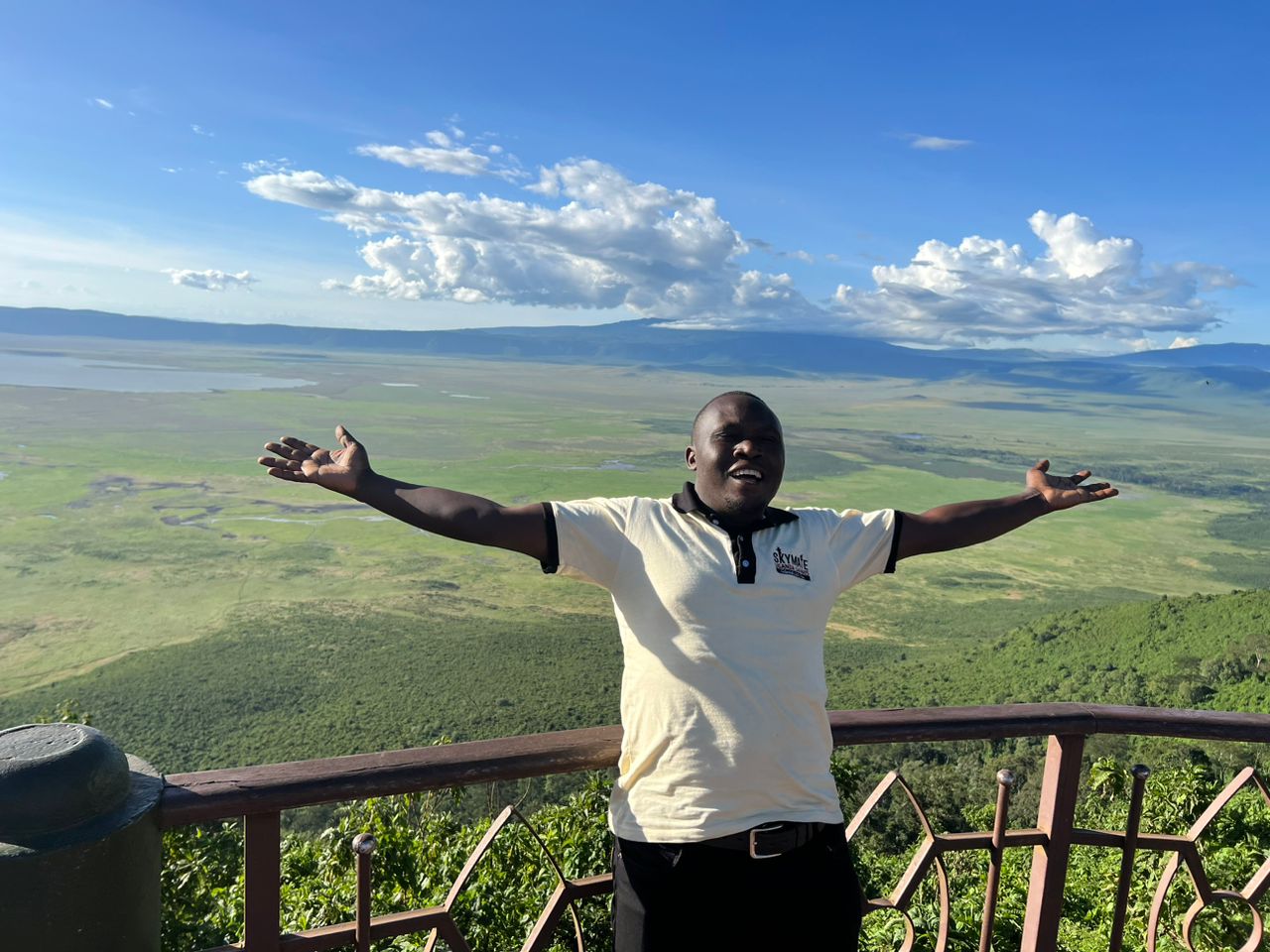
Discover the best time to visit Uganda for safari. Learn the ideal months for wildlife viewing, gorilla trekking, and birdwatching in Uganda’s top national parks.
All about the Best Time to Visit Uganda for Safari.
Uganda is one of Africa’s most remarkable safari destinations, known for its diverse wildlife, lush landscapes, and unforgettable primate encounters. Visitors can explore vast savannahs, tropical rainforests, and spectacular waterfalls across the country’s protected areas, including Murchison Falls National Park and Queen Elizabeth National Park.
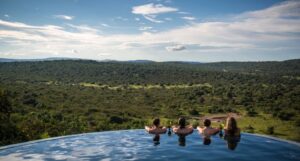 Choosing the best time to visit Uganda for safari can greatly influence your experience. Weather patterns affect wildlife visibility, trekking conditions, road accessibility, and overall travel comfort. During certain months, animals gather around water sources, making them easier to spot, while other seasons offer lush scenery and exceptional birdwatching opportunities.
For travelers hoping to trek mountain gorillas in Bwindi Impenetrable National Park or track chimpanzees in Kibale National Park, understanding Uganda’s safari seasons is essential for planning the perfect adventure.
In this guide, we reveal seven essential weather and wildlife secrets to help you decide the ideal time to explore Uganda’s national parks and enjoy one of Africa’s most unforgettable safari experiences.
Understanding Uganda’s Climate and Safari Seasons
Before planning your trip, understanding the best time to visit Uganda for safari is essential. Uganda’s climate is tropical, moderated by altitude, which keeps temperatures comfortable throughout the year. Instead of dramatic temperature swings, rainfall patterns largely shape safari conditions, influencing wildlife behavior, trekking paths, and road accessibility.
Because Uganda lies near the equator, daytime temperatures range between 20°C and 29°C, with cooler mornings and evenings in higher altitude areas. This stable climate means you can enjoy wildlife experiences year-round, but knowing the best time to visit Uganda for safari ensures you see the most wildlife in the most accessible conditions.
Dry Seasons: Ideal Months for Wildlife Viewing
 The dry seasons usually fall between:
- June to August
- December to February
During these months, vegetation thins and animals gather near water sources, making wildlife easier to spot. This is generally considered the best time to visit Uganda for safari in savannah parks such as Murchison Falls National Park and Queen Elizabeth National Park. Trails are also easier for gorilla trekking in Bwindi Impenetrable National Park.
Rainy Seasons: Lush Landscapes and Fewer Crowds
Uganda’s rainy seasons fall around:
- March to May
- September to November
The increased rainfall transforms the landscape into a lush, green paradise. Rivers and waterfalls are fuller, and birdlife flourishes, particularly in forests and wetlands like Kibale National Park. While travel can be a bit more challenging, these months offer fewer crowds and a quieter, more intimate safari experience.
Why Uganda Offers Safaris Year-Round
Uganda’s ecological diversity—from savannahs to tropical forests—means wildlife experiences are possible in every season. While certain months are optimal for game drives, trekking, or birdwatching, understanding the best time to visit Uganda for safari helps travelers plan a trip tailored to their wildlife interests and preferred activities.
Best Time to Visit Uganda for Safari During the Dry Season
The dry season is widely considered the best time to visit Uganda for safari. This period typically falls between June and August and December to February. During these months, the weather is relatively dry, vegetation is thinner, and wildlife tends to gather around rivers and waterholes, making animals easier to spot.
Wildlife Viewing Highlights
During the dry months, Uganda’s national parks come alive with easily visible wildlife. Some of the highlights include:
- Murchison Falls National Park – home to elephants, lions, giraffes, hippos, and crocodiles along the Nile. Dry conditions make spotting animals on game drives much easier.
- Queen Elizabeth National Park – famous for its tree-climbing lions and large herds of buffalo. Dry-season drives reveal open savannahs and lakeside wildlife.
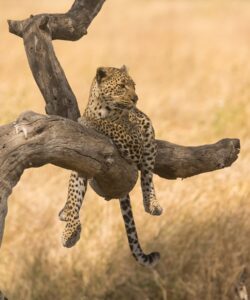
- Lake Mburo National Park – zebras, impalas, and leopards are easier to locate when grasses are shorter.
Gorilla Trekking During the Dry Season
One of Uganda’s most unforgettable experiences is trekking mountain gorillas. The dry months are generally the best time to visit Uganda for safari and gorilla trekking because forest trails in:
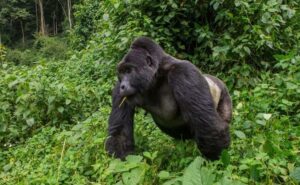 Bwindi Impenetrable National Park
are less muddy and slippery. Trekking is easier and safer, and visibility is better for photography. This is also the most popular time, so booking gorilla permits in advance is highly recommended.
Birdwatching and Scenic Advantages
Even during the dry season, Uganda’s forests and wetlands remain vibrant. Many resident bird species are easier to spot because of the sparser foliage. For photographers and wildlife enthusiasts, this season provides excellent lighting and dry trails, allowing longer walks and better chances to encounter animals in open landscapes.
Travel Tips for Dry Season Safari
- Book early, especially for gorilla permits, as this season is popular.
- Wear light clothing with layers for cooler mornings in highlands.
- Bring quality binoculars and cameras, as visibility is excellent.
- Carry sufficient water and sunscreen for long game drives.
Is the Rainy Season a Good Time for a Uganda Safari?
While many travelers prefer the dry season, the rainy or green season in Uganda can still offer a rewarding safari experience. The rainy months generally occur from March to May and September to November. During these periods, the landscape becomes lush and vibrant, rivers are full, and wildlife habitats flourish.
Advantages of Visiting During the Rainy Season
- Lush Landscapes and Scenic Beauty
The green season transforms Uganda’s national parks into a spectacularly scenic destination. Forests, wetlands, and savannahs are vivid with life, making it ideal for photographers and nature enthusiasts. - Fewer Crowds
Visiting during the rainy season means fewer tourists, which allows for a more peaceful safari experience in popular parks like Queen Elizabeth National Park and Murchison Falls National Park. - Birdwatching Opportunities
Migratory birds arrive in Uganda’s forests and wetlands during these months. Parks such as Kibale National Park and Lake Mburo National Park become hotspots for birding enthusiasts. - Active Wildlife
Many animals give birth during the rainy season, and observing young animals can be a highlight of a green-season safari.
Considerations for the Rainy Season
- Road Conditions: Some remote park areas can become muddy, making 4×4 vehicles essential.
- Trekking: Gorilla trekking is still possible, but trails may be slippery. Waterproof shoes and gaiters are recommended.
- Packing: Light rain jackets, quick-dry clothing, and insect repellent are important.
Despite these considerations, the best time to visit Uganda for safari is not limited to dry months. For travelers seeking fewer crowds, vibrant scenery, and unique wildlife experiences, the rainy season can be a surprisingly rewarding option.
Best Time for Gorilla Trekking in Uganda
One of Uganda’s most unforgettable safari experiences is trekking mountain gorillas in their natural rainforest habitat. The two main parks for gorilla trekking are:
 Bwindi Impenetrable National Park
- Mgahinga Gorilla National Park
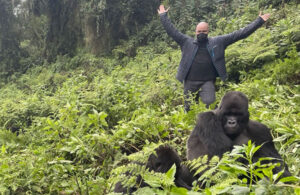 Bwindi Impenetrable National Park
Knowing the best time to visit Uganda for safari, especially for gorilla trekking, can make a huge difference in both safety and enjoyment.
Optimal Months for Gorilla Trekking
The dry months, from June to August and December to February, are widely considered the best time for gorilla trekking. Trails are less slippery, and thick undergrowth is easier to navigate, allowing for a more comfortable and safer trek.
The rainy seasons—March to May and September to November—are also suitable for trekking. While trails can be muddy and more challenging, the forests are lush and vibrant, offering excellent photographic opportunities. These months are also less crowded, giving a more intimate encounter with the gorilla families.
Tips for Gorilla Trekking
- Book Permits Early: Gorilla permits are limited and sell out quickly, especially during the dry season.
- Wear Appropriate Clothing: Long-sleeved shirts, trekking trousers, sturdy waterproof boots, and gaiters help protect against mud, insects, and nettles.
- Prepare for the Hike: Treks can last anywhere from 2 to 6 hours depending on gorilla locations. Bring water, snacks, and a light rain jacket.
- Photography Tips: Gorilla encounters offer incredible photo opportunities. A zoom lens and extra memory cards are highly recommended.
Why Timing Matters
The best time to visit Uganda for safari isn’t just about seeing gorillas; it’s about ensuring a safe, comfortable, and unforgettable trekking experience. Visiting during the recommended months maximizes your chances of spending quality time observing these incredible primates while minimizing obstacles from weather and trail conditions.
Best Time for Chimpanzee Trekking in Uganda
Uganda is one of the few destinations in Africa where travelers can observe chimpanzees in their natural habitat. Kibale National Park is the premier location for chimpanzee trekking, hosting one of the largest populations of these remarkable primates.
Knowing the best time to visit Uganda for safari, especially for chimpanzee trekking, helps ensure trails are navigable, chimpanzee sightings are more predictable, and your overall experience is comfortable and enjoyable.
Optimal Months for Chimpanzee Trekking
Chimpanzee trekking is possible year-round, but the dry months—June to August and December to February—are considered ideal. During this time:
- Trails are less slippery, making the hikes easier for all fitness levels.
- Chimpanzees are easier to spot as foliage is thinner.
- Rainfall is lower, minimizing the risk of interrupted treks.
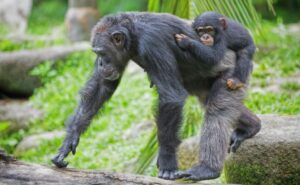 Trails are less slippery, making the hikes easier for all fitness levels.
The green season (March to May and September to November) is also viable for trekking. While trails can be muddy and more challenging, this period offers lush scenery, abundant birdlife, and fewer tourists, giving a more private and immersive wildlife experience.
Trekking Tips
- Book Your Trek Early: Chimpanzee trekking permits can sell out, especially in the dry season.
- Wear Appropriate Gear: Long-sleeved shirts, trekking trousers, sturdy shoes, and a rain jacket are recommended.
- Be Prepared Physically: Treks can last 2–5 hours depending on the chimpanzees’ location. Carry water, light snacks, and insect repellent.
- Photography Tips: A zoom lens is ideal to capture chimps without disturbing them.
Why Timing Matters
Selecting the best time to visit Uganda for safari for chimpanzee trekking ensures that you enjoy a smoother, safer, and more rewarding experience. Whether you prioritize dry-season convenience or the lush beauty of the rainy months, understanding the seasonal patterns helps you plan an unforgettable adventure.
Monthly Guide to Visiting Uganda for Safari
Planning your trip around the best time to visit Uganda for safari can make your experience much more rewarding. Here’s a month-by-month overview highlighting the weather, wildlife activity, and best safari activities throughout the year:
January – February
- Weather: Dry season with clear skies and minimal rainfall.
- Wildlife: Animals gather near water sources; great for game drives.
- Highlights: Ideal months for gorilla trekking in Bwindi Impenetrable National Park and Mgahinga Gorilla National Park. Birdwatching is excellent.
March – May
- Weather: Green season with occasional heavy rainfall.
- Wildlife: Birth season for many animals; lush vegetation makes photography vibrant.
- Highlights: Chimpanzee trekking in Kibale National Park is still possible; fewer tourists mean a quieter safari experience.
June – August
- Weather: Peak dry season with sunny days and cooler evenings.
- Wildlife: Open savannahs make game drives easier; great visibility for wildlife photography.
- Highlights: Excellent time for gorilla trekking, safari drives in Queen Elizabeth National Park and Murchison Falls National Park.
September – November
- Weather: Second rainy season, shorter and less intense than March–May.
- Wildlife: Rich birdlife; lush landscapes; some animal births.
- Highlights: Fewer tourists, stunning scenery, still good for gorilla trekking and chimpanzee trekking.
December
- Weather: Dry season returns, sunny and favorable.
- Wildlife: Animals congregate around water sources; game drives are excellent.
- Highlights: Perfect month for wildlife spotting, gorilla trekking, and photography.
Why a Monthly Guide Helps Travelers
A month-by-month safari guide allows travelers to choose the best time to visit Uganda for safari based on their interests:
- Dry-season travelers: prioritize game drives and gorilla trekking
- Green-season travelers: enjoy lush scenery, birdwatching, and fewer crowds
- Photographers: benefit from dry-season clarity or rainy-season vibrant landscapes
By planning according to seasonal highlights, visitors can maximize wildlife encounters, trekking comfort, and overall enjoyment.
Expert Travel Tips for Planning a Uganda Safari
Planning a safari in Uganda can be an unforgettable experience, but knowing the right tips can make it even smoother. Whether you’re focused on gorilla trekking, chimpanzee tracking, or classic game drives, these expert recommendations will ensure your trip goes off without a hitch.
Following the best time to visit Uganda for safari guidelines is only the first step—preparation is just as important.
- Book Early, Especially for Gorilla Permits
Gorilla permits are limited and sell out quickly, especially during the dry season. Booking months in advance ensures you secure your preferred trekking dates in:
- Bwindi Impenetrable National Park
- Mgahinga Gorilla National Park
Advance booking also allows for better accommodation options near the parks.
- Pack Smart for the Climate
Uganda’s tropical climate and diverse terrains require versatile clothing:
- Light, breathable layers for daytime
- Warm jackets or fleeces for mornings and evenings in highlands
- Waterproof jackets and quick-dry clothing for rainy months
- Sturdy hiking boots and gaiters for trekking in forested areas
Packing wisely ensures comfort and safety during both dry- and green-season safaris.
- Prepare for Wildlife Encounters
Bring binoculars, cameras with zoom lenses, and plenty of memory cards. Wildlife is easier to spot during the dry season, but having the right gear ensures you capture memorable moments anytime.
Additionally, always follow your guide’s instructions to maintain safety around animals.
- Consider Travel Logistics
- 4×4 vehicles are recommended, particularly during the rainy season.
- Roads can be rough in remote areas, so plan extra travel time.
- Domestic flights can save time when visiting multiple parks in one trip.
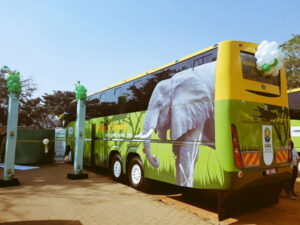 4×4 vehicles are recommended, particularly during the rainy season.
- Health and Safety Tips
- Bring insect repellent and anti-malarial medication if recommended by your doctor.
- Carry a basic first-aid kit.
- Stay hydrated during long game drives and hikes.
- Respect Local Communities and Conservation
Many safari areas are near local villages. Respect local customs, avoid littering, and support community-based tourism initiatives. Responsible travel helps preserve Uganda’s wildlife and natural beauty.
Frequently Asked Questions
- What is the best time to visit Uganda for safari?
The best time to visit Uganda for safari depends on your interests. For game drives and gorilla trekking, the dry months (June to August and December to February) are ideal. For lush scenery, birdwatching, and fewer crowds, the rainy months (March to May and September to November) are excellent.
- Is Uganda good for safari all year?
Yes! Uganda is a year-round safari destination thanks to its diverse ecosystems. While some months offer easier wildlife spotting or trekking conditions, every season has its own unique advantages.
- Which months are best for gorilla trekking in Uganda?
The dry seasons—June to August and December to February—are considered the best for gorilla trekking in Bwindi Impenetrable National Park and Mgahinga Gorilla National Park. Trails are less muddy, and visibility is better.
- Can I go chimpanzee trekking during the rainy season?
Yes. Chimpanzee trekking in Kibale National Park is possible year-round. Trails may be slippery during the rainy season, but you’ll experience lush forest scenery and fewer crowds.
- What wildlife can I expect to see in Uganda?
Uganda is home to mountain gorillas, chimpanzees, lions, elephants, hippos, crocodiles, buffalo, zebras, leopards, and over 1,000 bird species. Different parks specialize in different wildlife, so planning your trip according to season and park is key.
Book your safari today
Choosing the best time to visit Uganda for safari can make the difference between a good trip and an unforgettable adventure. By aligning your visit with the dry or green seasons and targeting your preferred activities—whether gorilla trekking, chimpanzee tracking, or classic game drives—you’ll maximize your chances of witnessing Uganda’s spectacular wildlife.
Plan your safari with Tulambule Uganda Safaris, the experts in Uganda wildlife experiences. From securing gorilla permits to designing tailor-made itineraries, we ensure a stress-free, memorable adventure across Uganda’s most iconic national parks. Contact us to book your safari today and experience the Pearl of Africa at its best.