Gorilla Tracking in Uganda: The Ultimate Guide
Gorilla tracking in Uganda offers an exceptional wildlife experience in Bwindi Impenetrable National Park and Mgahinga Gorilla National Park. Expert guides lead you on thrilling treks to observe mountain gorillas in their natural habitat, while your permit fee directly funds the conservation work keeping them alive.
This guide covers everything from the history of gorilla conservation in Uganda to what the actual encounter feels like, along with fitness prep, costs, rules, and logistics for getting there.
How Mountain Gorillas Came to Be Protected in Uganda
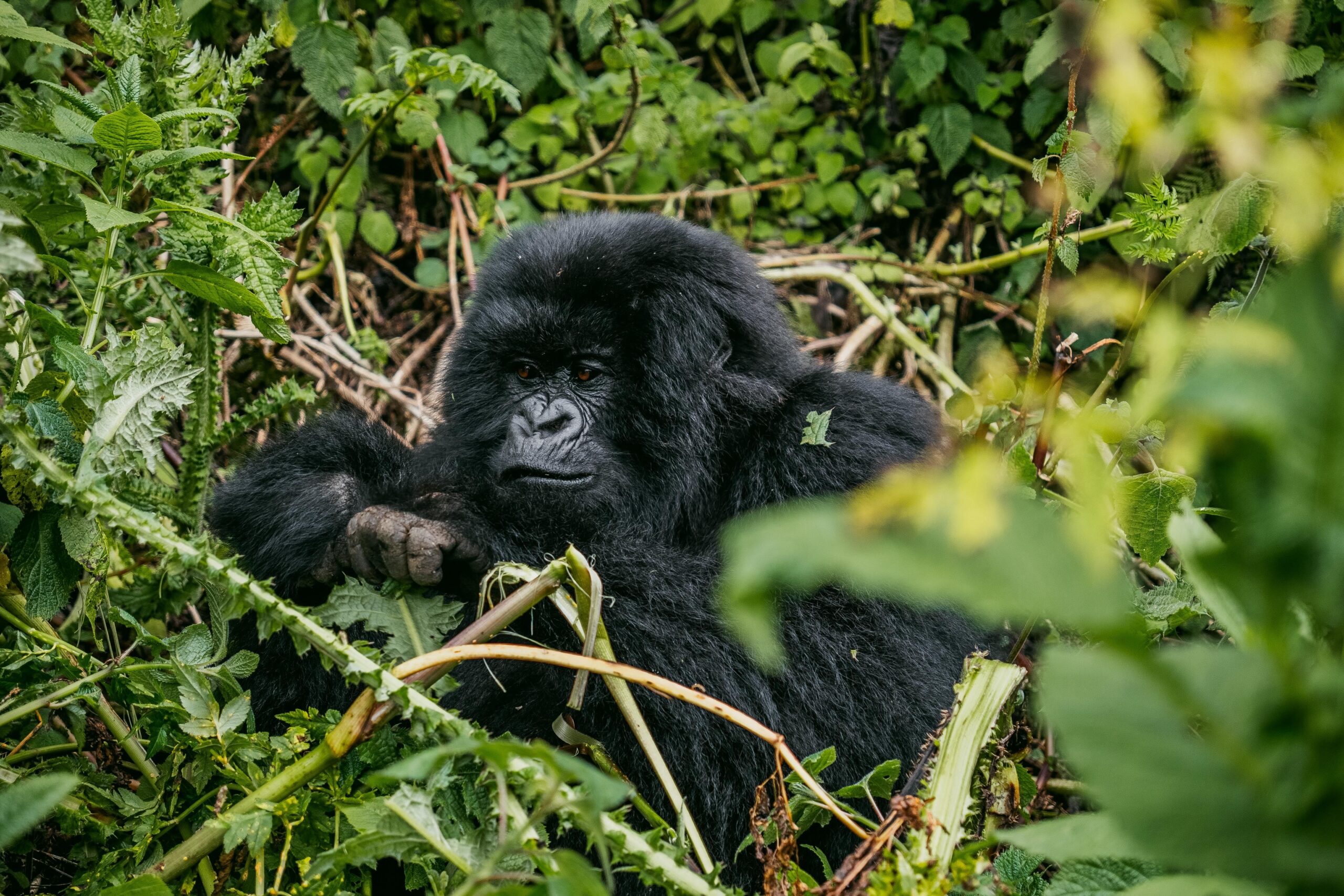
Mountain gorillas have lived in the forests of Bwindi and Mgahinga for thousands of years, drawn by dense vegetation, abundant food, and rugged terrain that offers natural shelter. Before formal conservation, they faced serious threats from habitat destruction, poaching, and human-wildlife conflict, and their numbers declined sharply.
That changed in 1991, when Bwindi Impenetrable National Park and Mgahinga Gorilla National Park were officially established. By 1994, Bwindi was inscribed as a UNESCO World Heritage Site, recognizing its exceptional biodiversity and its role as home to almost half the world's remaining mountain gorillas.
Gorilla habituation, the gradual process of getting a wild gorilla family comfortable with human presence, began in Bwindi in the early 1990s. Rangers and researchers spent months observing and mimicking gorilla behavior to build trust. The first successful habituation was the Mubare group in 1993, opening the door to the sustainable tourism model that funds Uganda's conservation work today.
Why Gorilla Tracking in Uganda Is So Special
Uganda is home to more than half the global population of mountain gorillas, making it the single best destination for gorilla tracking anywhere in the world. Every permit purchased supports anti-poaching patrols, habitat protection, and the local communities living alongside the parks.
Organizations like the Dian Fossey Gorilla Fund have spent decades building the research and protection infrastructure that makes today's tracking experience possible, work that continues to this day.
Gorilla Tracking vs Gorilla Trekking: Is There a Difference?
The two terms are often used interchangeably, and in Uganda that's largely fine. Technically, tracking refers to following clues like footprints and fresh nests to locate a specific gorilla family, while trekking refers to the physical hike itself through rugged forest terrain to reach them.
In practice, both describe the same overall experience: a guided search through the forest that ends with an hour alongside a gorilla family. Most Ugandan guides and literature use the two words as synonyms.
What Actually Happens on a Gorilla Tracking Day
The adventure starts with a briefing from park rangers, followed by the trek itself, which can last anywhere from a couple of hours to most of a day depending on where the gorilla family has moved. Fitness matters here, since the terrain is steep and often muddy.
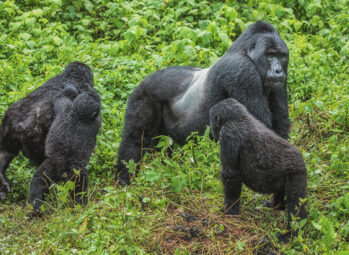
Once your group finds the family, you get a strictly enforced hour to watch them interact, feed, and rest. Expect protective silverbacks, playful juveniles, and mothers caring for infants, an experience most visitors describe as genuinely emotional. For the full logistics of what a Bwindi trek involves day by day, see our complete guide to gorilla trekking permits in Uganda and Rwanda.
Best Time for Gorilla Tracking in Uganda
Tracking runs year round, but the dry seasons from June to September and December to February make for easier trails and a more comfortable hike. Wetter months, March to May and September to November, bring lusher scenery but tougher underfoot conditions.
Costs and Permits
A gorilla tracking permit in Uganda costs $800 per person for foreign non-residents, issued directly by the Uganda Wildlife Authority. Permits are strictly capped per gorilla family per day, so early booking matters, especially for peak season dates.
If you're tracking on more than one day of your trip, each day requires its own separate permit. For a full cost breakdown including Rwanda pricing, low season discounts, and how to book, see our dedicated gorilla trekking permits guide.
How to Reach Bwindi Impenetrable National Park
By road, the journey from Kampala or Entebbe takes roughly 8 to 10 hours, passing rolling hills, tea plantations, and local villages along the way. A reliable 4x4 makes the rougher stretches near the park far more comfortable.
For a faster option, domestic flights run from Entebbe International Airport or Kajjansi Airstrip to Kihihi or Kisoro airstrips, both a short transfer from the park.
From Rwanda: Kigali International Airport is actually closer to Bwindi than Kampala is. It's a scenic 2 to 3 hour drive to the Cyanika or Katuna border crossings, and from there, Rushaga and Nkuringo sectors are about 1.5 hours from Cyanika, while Buhoma is 3 to 4 hours from Katuna.
Choosing Between Bwindi and Mgahinga Gorilla National Parks
Bwindi is the larger park, with multiple tracking sectors and more habituated gorilla families, along with strong birding and Batwa cultural experiences on the side. It's the more popular choice for good reason.
Mgahinga Gorilla National Park is quieter and smaller, home to just one habituated family, but it's also one of the only places to combine gorilla tracking with golden monkey tracking and hikes up the Virunga volcanoes, including Mount Sabinyo, where you can stand at the meeting point of Uganda, Rwanda, and the DRC.
Preparing for Your Trek
A reasonable level of fitness makes a real difference, since the terrain is steep, uneven, and often muddy. Some light training in the weeks beforehand, walking, hiking, or general cardio, pays off on the day.
Pack sturdy hiking boots, a lightweight rain jacket even in dry season, insect repellent, long sleeves, and a small daypack for water and snacks. For the complete packing breakdown, see our ultimate gorilla trekking packing list.
Consult your doctor about malaria prevention well before you travel, since Bwindi sits in a malaria risk zone. Carry repellent, sleep under a net where provided, and seek medical attention promptly if fever develops after your trip.
Rules and Safety During the Trek
Gorillas share close to 98 percent of human DNA, which makes them highly vulnerable to our illnesses. Visitors must stay at least 7 meters away at all times, flash photography is prohibited, and anyone showing signs of sickness will be asked not to participate.
The minimum age for gorilla tracking is 15. For the complete set of park rules and what rangers expect from you on the day, see our gorilla trekking rules and safety guide.
Accessibility: The Porter-Assisted Method
For guests with limited mobility, Bwindi offers a porter-assisted option sometimes called the helicopter method, using a specially designed local carrying chair to bring guests through the forest safely. It's available for an extra fee and makes the experience genuinely accessible to travelers who couldn't otherwise manage the terrain.
Porters more broadly are worth hiring regardless of fitness level. They carry your bag, support you on tricky sections, and the small fee goes directly to people from communities bordering the park.
Tipping on a Gorilla Tracking Safari
Tipping is customary and appreciated. As a general guide, porters typically receive $15 to $20, guides and trackers $10 to $20 per trek, lodge staff $3 to $5 per stay, and drivers around $10 to $20 per day. USD in small denominations or local currency both work well.
What If You Don't Find the Gorillas, or Fall Sick?
Sightings are highly likely but never guaranteed, gorilla families move daily. If your group doesn't find them, park authorities may offer another attempt the following day depending on permit availability, though permits themselves are non-refundable since the fee funds conservation work regardless of outcome.
If you fall ill on your scheduled tracking day, it's genuinely best to sit it out. Gorillas can catch human illnesses easily, and a sick trekker puts the whole family at risk. A good tour operator will help you adjust your itinerary rather than push you to trek anyway.
Accommodation in Bwindi
Options range from budget campsites to luxury forest lodges, many positioned close to the trailheads you'll start from. Several lodges work directly with neighboring communities, adding a cultural dimension to your stay beyond just a place to sleep.
Beyond Gorillas: Other Activities in Bwindi
Bwindi holds over 350 bird species, including Albertine Rift endemics like the African green broadbill, making it a genuine draw for birders on top of the gorillas. Guided nature walks reveal forest elephants, colobus monkeys, and hidden waterfalls tucked away from the main trekking routes.
The Batwa Cultural Experience adds a meaningful cultural layer, offering insight into the traditions of the region's original forest inhabitants. For the fuller list of things to combine with your trek, see our Bwindi safari activities guide.
Frequently Asked Questions
Is gorilla tracking in Uganda safe despite instability in nearby DRC? Yes. Bwindi and Mgahinga sit in stable, well-secured regions of southwestern Uganda, and conflicts across the DRC border don't affect trekking here.
Is it legal to hunt or eat gorillas in Uganda? No. Hunting or eating gorillas is illegal under Ugandan conservation law, backed by active anti-poaching patrols and community education programs.
How many times a day does gorilla tracking happen? Once daily per habituated family, with a strict cap of eight visitors per group, a rule designed to keep disturbance to the gorillas to a minimum.
What diseases put gorillas most at risk from human contact? Respiratory illnesses like influenza and pneumonia are the biggest concern, alongside gastrointestinal infections. This is exactly why the 7 meter distance rule and mask guidance exist.
Final Thoughts on Gorilla Tracking in Uganda
Gorilla tracking in Uganda is as much a conservation story as it is an adventure. Every permit, every porter tip, and every visit supports a model that's helped mountain gorilla numbers recover from the brink, while giving you one of the most genuinely moving wildlife encounters left on the planet.
Continue Planning Your Trip
Ready to plan your own gorilla tracking experience? Explore our full range of sample itineraries, tell us your travel dates through our build your own safari form, or contact us directly and we'll handle the permit booking for you.
10 Uganda Safari Forests and Bushes Worth Exploring
Guided Uganda Gorilla Safari Tours: Everything You Need to Know Before You Trek
Bwindi vs Mgahinga: Which Uganda Gorilla Park Should You Choose in 2026?
East Africa Safari Cancellations 2026: Why Smart Travellers Are Booking Uganda & Rwanda Right Now
Gorilla Trekking in Uganda During an Ebola Outbreak: What Every Traveller Needs to Know