A Uganda photography safari puts you within metres of a mountain gorilla, beneath a lion lounging in a fig tree, and face to face with a shoebill that looks like it walked out of prehistory. Few countries pack so many once-in-a-lifetime photographs into such a small space.
At Tulambule Uganda Safaris, we have guided photographers through Uganda's parks since 2014, from first-timers with a phone to professionals with long lenses. This guide shows the 10 photographs every Uganda photography safari should aim for, where and when to get them, the gear and settings that work, and how we set up a trip around the light.
Why photographers choose Uganda:
- Primates up close: mountain gorillas, chimpanzees and golden monkeys, often at 7 to 10 metres
- Rare big cats: Ishasha's tree-climbing lions and leopards in Queen Elizabeth and Murchison Falls
- Over 1,000 bird species, including the shoebill and Albertine Rift endemics
- Water-level wildlife: boat cruises on the Kazinga Channel and the Nile
- Quiet parks: fewer vehicles at sightings than in East Africa's busiest reserves

Why a Uganda Photography Safari Is a Photographer's Dream
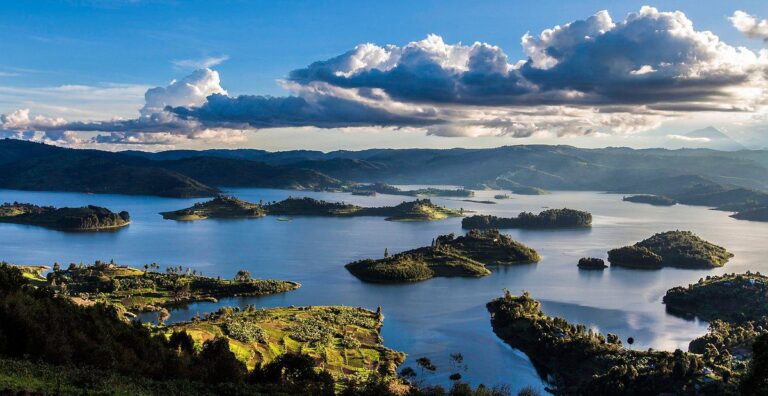
Most safari countries give you savanna. Uganda gives you savanna, rainforest, volcanoes, crater lakes, papyrus swamps and the Nile, often in a single trip. That variety means very different light, backgrounds and subjects from one day to the next, which is exactly what makes a portfolio stand out.
Uganda's parks are also less crowded. On a Uganda photography safari you often have a sighting to yourself, so you can wait for the right moment instead of jostling for position. Pop-up roof vehicles give you a stable, 360-degree platform, and guides who know photographers' needs will position the vehicle for the light, not just the animal.
10 Photographs of a Lifetime on a Uganda Photography Safari
1. A Mountain Gorilla Portrait in Bwindi
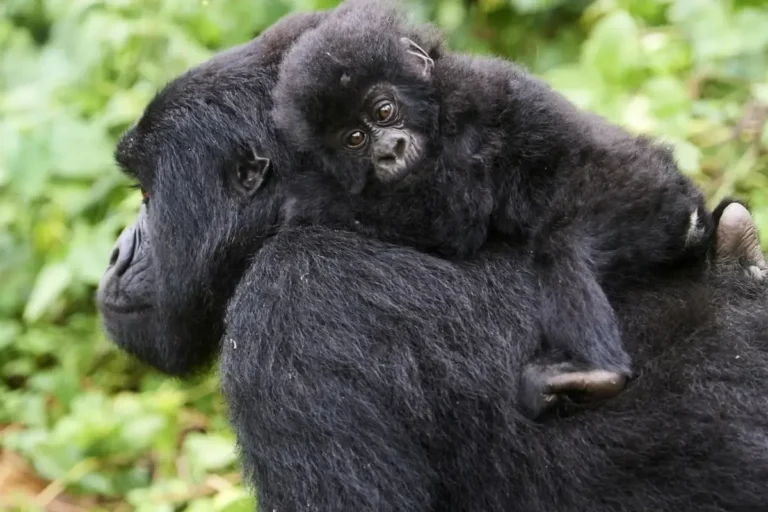
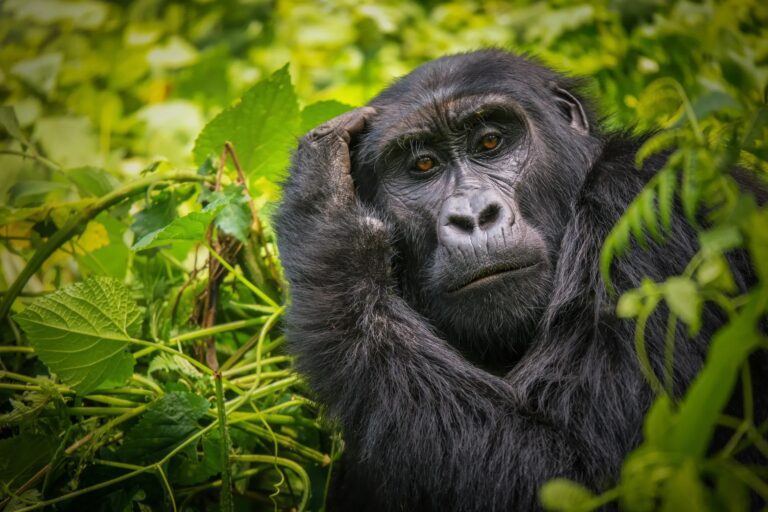
This is the photograph most people travel for. You spend one hour with a habituated gorilla family in Bwindi Impenetrable Forest, usually 7 to 10 metres away, often closer when the gorillas approach you. The light under the canopy is dim and changeable, so a fast lens and a high ISO make all the difference. Read what to expect in one hour with mountain gorillas in Bwindi.
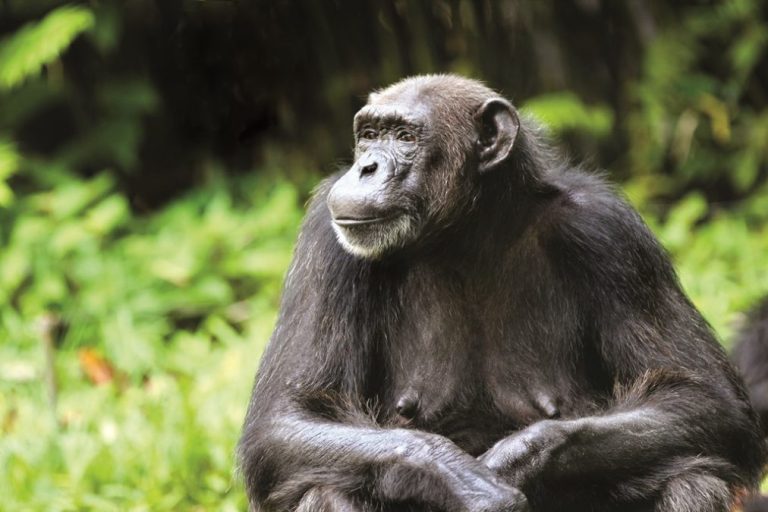
2. Chimpanzees in Kibale Forest
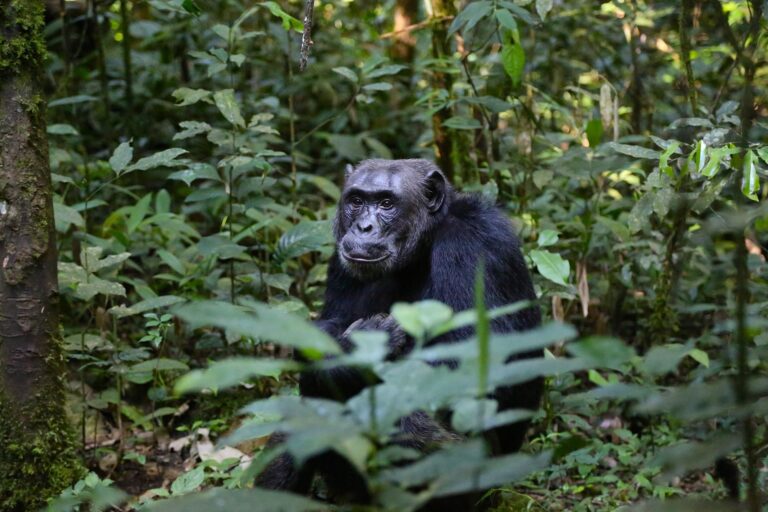
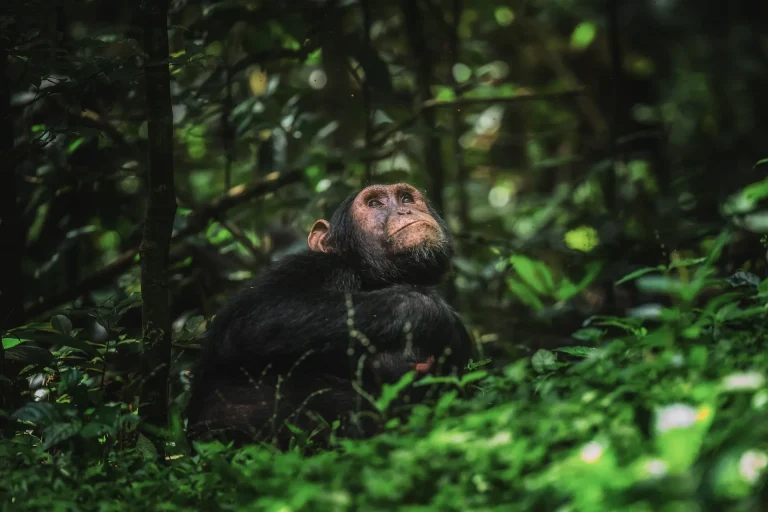
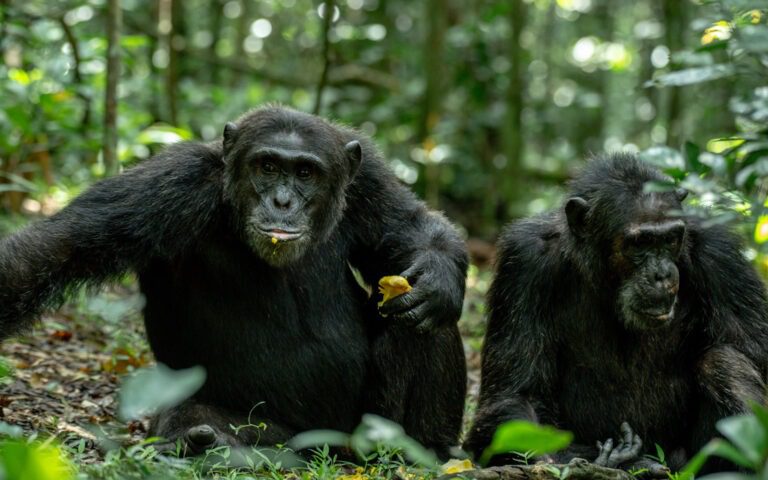
Chimpanzees are fast, social and expressive, and Kibale Forest is home to about 1,500 of them. Expect deep shade, bright gaps in the canopy and animals that move quickly between the ground and the trees. Patience is rewarded with grooming scenes, play and the famous pant-hoot calls.
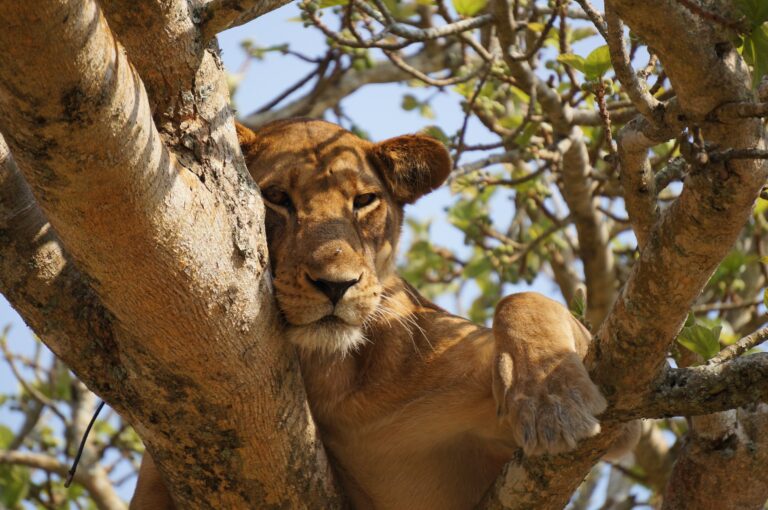
3. Tree-Climbing Lions in Ishasha
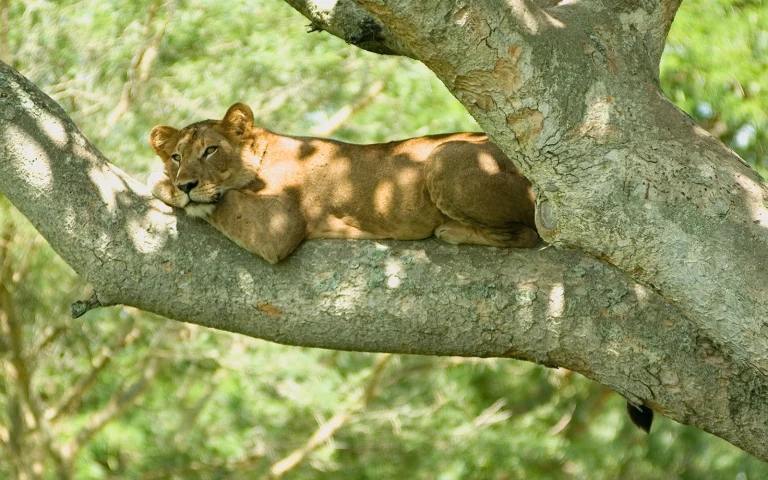
Very few places in the world have lions that regularly climb trees. In the Ishasha sector of Queen Elizabeth National Park, prides rest in the branches of giant fig trees, giving you a unique, eye-level composition against the sky or the leaves. It is the signature image of any Uganda photography safari, and morning and late afternoon light is best.
4. Hippos and Elephants on the Kazinga Channel
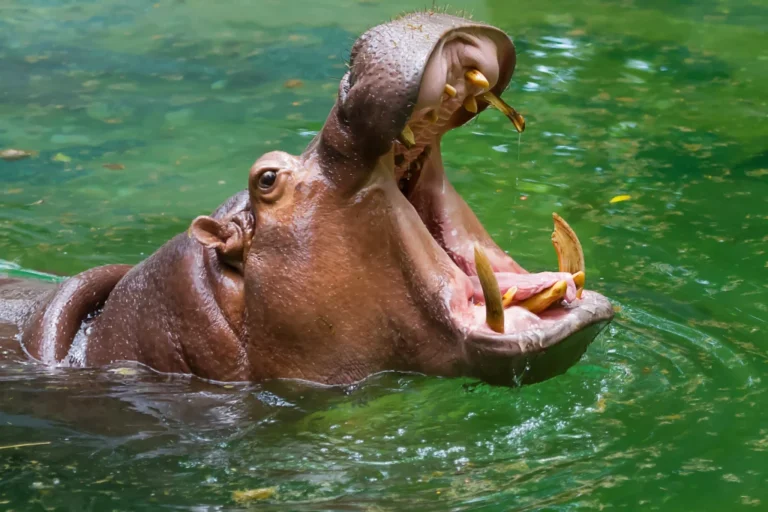
The Kazinga Channel boat cruise is one of the best photography platforms in Africa. You sit at water level as hippos, buffalo and elephants gather at the shore, with pelicans, kingfishers and fish eagles overhead. For anyone on a Uganda photography safari, we can arrange a private boat so you control the pace and position.
5. The Shoebill in a Papyrus Swamp
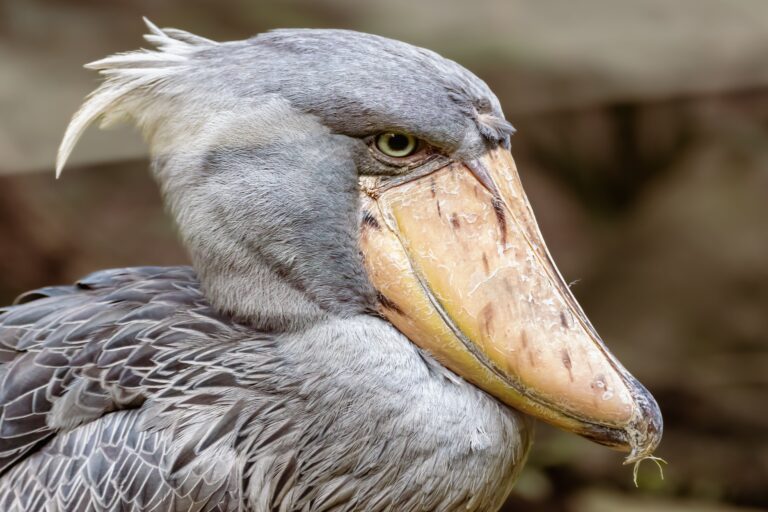
The shoebill is the bird every wildlife photographer wants. In Mabamba Swamp, just outside Entebbe, you glide through the papyrus in a wooden canoe and can watch a shoebill stand perfectly still for minutes before striking at a fish. Early morning gives the best light and the most activity. See our full shoebill stork guide.
Plan your Uganda photography safari
Tell us what you want to photograph and when. We will plan your route around the best light, the right lodges and private boats where they make a difference.
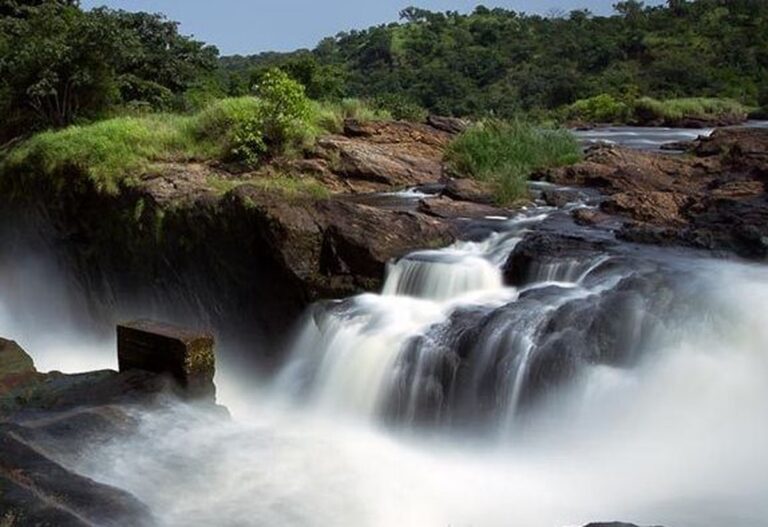
6. Murchison Falls at Full Power
At Murchison Falls, the whole Nile forces its way through a gap just 7 metres wide. Shoot the spray and rainbows from the Top of the Falls, then photograph the falls from below on the boat cruise. A polarising filter and a slow shutter speed bring out the power of the water, a highlight of any Uganda photography safari that includes the north.
7. Golden Monkeys in Mgahinga
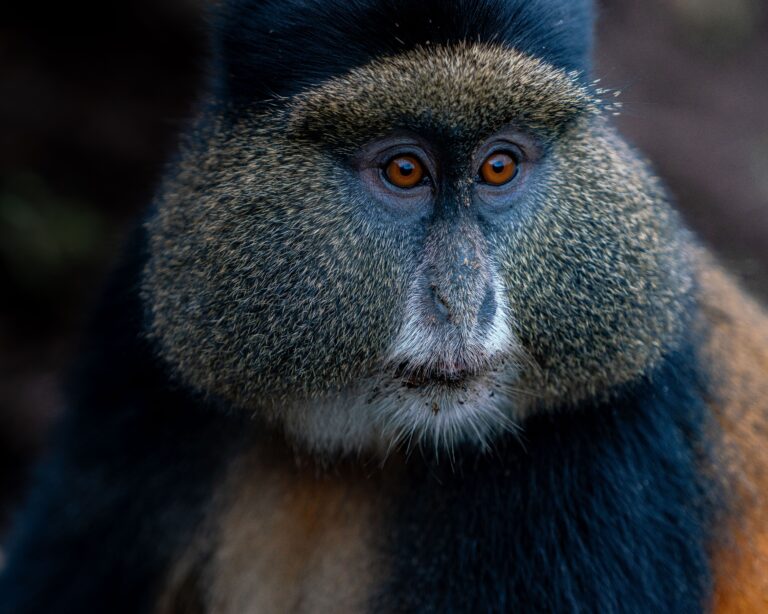
In the bamboo forests of Mgahinga, playful golden monkeys leap between the stems, their orange coats glowing against the green. They move quickly, so use a fast shutter speed and continuous autofocus. Plan your trek with our golden monkey tracking guide.
8. Leopards and Big Game in the Golden Hour
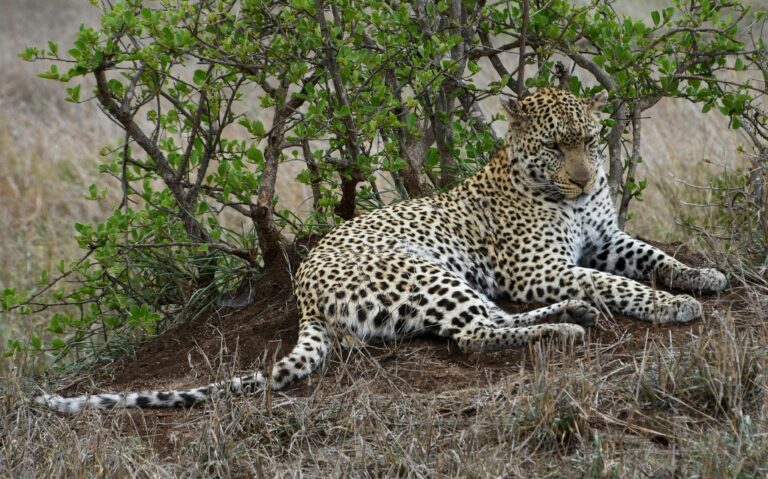
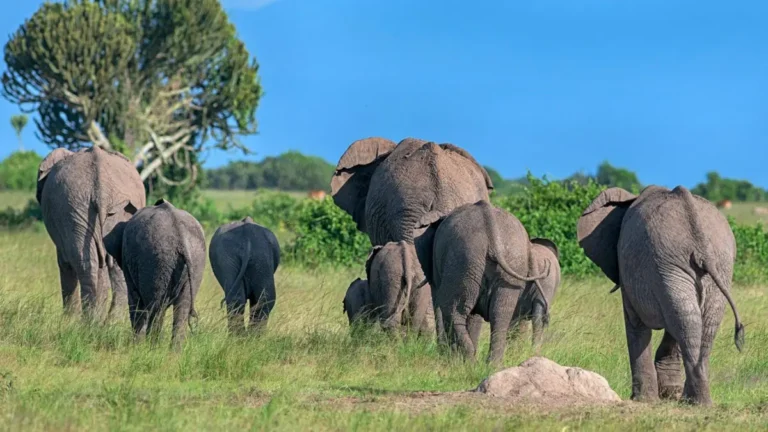
Early morning and late afternoon game drives in Queen Elizabeth and Murchison Falls bring lions, leopards, elephants, giraffes and Uganda kob in warm, low light, the heart of every Uganda photography safari. Our lion tracking safaris take you out with researchers for even closer, more natural encounters.
9. Rare Birds of the Albertine Rift
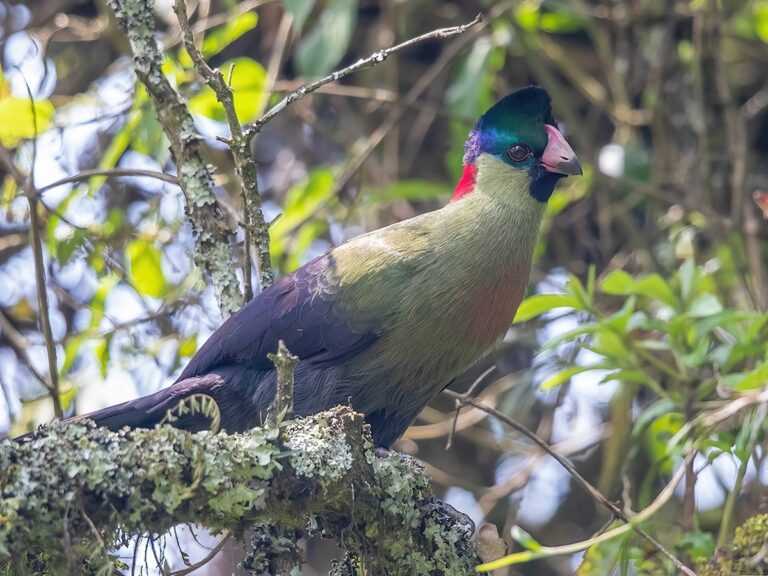
Uganda has more than 1,000 bird species, including Albertine Rift endemics such as the Rwenzori turaco and the African green broadbill. Bwindi, Kibale and Semuliki are the hotspots for birders on a Uganda photography safari. Plan your route with our Uganda birding itinerary or our guide to birding in Bwindi.
10. Wild Landscapes of Kidepo
For sweeping savanna, mountains and some of Africa's most dramatic light, Kidepo Valley National Park in the far northeast is hard to beat. Zebras, buffalo herds and big cats roam a wilderness that sees very few visitors, which means uncluttered frames and real solitude.
Best Time for a Uganda Photography Safari
| Season | Months | What Photographers Get |
|---|---|---|
| Dry season | June to September, December to February | Easier trails, animals gathered at water, clearer savanna views |
| Green season | March to May, October to November | Lush scenery, dramatic skies, newborn animals, peak birdlife, fewer vehicles |
| Daily golden hours | About 6:30 to 8:30 AM and 4:30 to 6:30 PM | Warm, soft light for game drives and boat cruises |
There is no wrong season for a Uganda photography safari, only different pictures. Our guide to the green season safari in Uganda explains why many photographers prefer the wetter months for colour and drama.
Camera Gear and Settings for a Uganda Photography Safari
| Subject | Lens | Settings to Start With |
|---|---|---|
| Gorillas and chimps | 24-105 mm or 70-200 mm, f/2.8 to f/4 | ISO 1600 to 6400, 1/250 s or faster, no flash |
| Big cats and game | 100-400 mm or 150-600 mm | 1/1000 s, continuous autofocus |
| Birds and shoebill | 400 to 600 mm | 1/2000 s for flight, spot or zone focus |
| Landscapes and falls | 16-35 mm wide angle | Low ISO, polarising filter, slower shutter for water |
- Bring a rain cover for your camera and a dry bag. Forest showers come without warning.
- Use a beanbag on the vehicle window or roof for steady shots. A tripod is rarely practical.
- Pack spare batteries and memory cards. Most lodges charge batteries, but power can be limited in remote camps.
- Mind the weight on flights: on a Uganda fly-in safari, the limit is 15 kg including camera gear.
- Phones work too. Many of our guests take beautiful gorilla photos with a modern smartphone.
Uganda Photography Safari Rules You Must Know
- No flash with primates. Flash is not allowed with gorillas, chimps or golden monkeys. Keep at least 7 metres away and follow your ranger. Read is gorilla trekking ethical?
- Drones need permission. Flying a drone in a national park requires prior approval from the authorities. Ask us well before you travel.
- Commercial filming needs a permit. Professional film and photography shoots require separate permission and fees from the Uganda Wildlife Authority.
- Ask before photographing people, and never photograph military, police or airport facilities.
- Stay in the vehicle unless your guide says it is safe to step out.
How We Plan a Uganda Photography Safari
- Built around the light: early starts, late finishes and rest in the harsh midday sun
- Pop-up roof 4x4 vehicles with a window seat for every photographer
- Experienced driver-guides who know where animals are likely to be and how to position for the light
- Private boats on request on the Kazinga Channel and the Nile
- Extra time where it counts: two nights in Ishasha or Queen Elizabeth, a second gorilla trek, or a full day in the swamp
- Lodges with views, chosen from our guide to the best Uganda safari lodges
A Sample 10-Day Uganda Photography Safari
| Days | Location | Photo Highlights |
|---|---|---|
| 1 | Entebbe and Mabamba | Shoebills in the early morning papyrus |
| 2 to 3 | Murchison Falls | The falls, Nile boat cruise, giraffes and big game at golden hour |
| 4 | Kibale Forest | Chimpanzees in the forest |
| 5 to 6 | Queen Elizabeth | Kazinga Channel by boat, Kasenyi game drives |
| 7 | Ishasha | Tree-climbing lions in the fig trees |
| 8 to 9 | Bwindi | Mountain gorillas, with an optional second trek |
| 10 | Fly to Entebbe | Aerial views on the way home |
We tailor every Uganda photography safari to your subjects, your gear and your pace. Want more birds, a second gorilla trek or Kidepo's wilderness? Tell us and we will build it in.
Safaris Ready for Your Camera
Each of these safaris can be set up as a Uganda photography safari, with extra time at key sightings, private boats and early starts for the best light.
Uganda Photography Safari: Frequently Asked Questions
Can I take photos of mountain gorillas?
Yes. Photography is allowed during your one hour with the gorillas, but flash is not. Keep at least 7 metres away and follow your ranger's instructions.
What is the best lens for gorilla photography?
A fast zoom such as a 24-105 mm or 70-200 mm works well, as gorillas are often 7 to 10 metres away in dim forest light. Raise your ISO rather than using flash.
When is the best time for a photography safari in Uganda?
Uganda is good all year. The dry seasons make trails and game viewing easier, while the green season brings lush scenery, dramatic skies, newborn animals and the best birdlife.
Can I fly a drone on safari in Uganda?
Only with prior permission. Drones in national parks need approval from the authorities, so ask your tour operator well before you travel.
Do I need a professional camera?
No. A modern smartphone can take excellent photos, especially of gorillas, which are often close. A camera with a zoom lens helps with birds and big cats.
Can you arrange a private boat for photography?
Yes. We can arrange private boats on the Kazinga Channel and the Nile on request, so you control the pace and position.
Continue Planning Your Photography Safari
A Uganda photography safari gives you pictures no other single destination can match: gorillas, chimps, tree-climbing lions and the shoebill in one trip. Browse our Uganda safari itineraries, design your own route with Build My Safari, or see our best Uganda gorilla safaris.
Your best wildlife photographs are waiting in Uganda
Tell us your dates, your subjects and your gear. We will plan a safari around the light and send you a free quote.
Get a Free QuoteChat on WhatsApp
100% Ugandan owned since 2014 • Licensed by UTB • Accredited with UWA • Member of AUTO • Rated 4.9 on TripAdvisor