A green season safari Uganda trip is one of the best-kept secrets in East African travel, and one of the most misunderstood. Hear the words "rainy season" and many travellers picture ruined game drives and muddy misery. In reality, the green season brings some of the best value, the quietest parks and the most dramatic scenery of the whole year.
At Tulambule Uganda Safaris, we have run safaris in every month of the year since 2014. If you are weighing up the best time to visit Uganda, this guide explains what a green season safari Uganda trip is really like, what it costs, and how to plan one well.
Green season at a glance:
- When: March to May (long rains) and October to November (short rains)
- Gorilla permits: US$600 instead of US$800 in April, May and November
- Lodges: many lower their rates, often by 20 to 30%
- Rain: usually short afternoon or evening showers, with clear mornings
- Best for: value, quiet parks, photography, birding and newborn wildlife
What Is a Green Season Safari Uganda Trip?
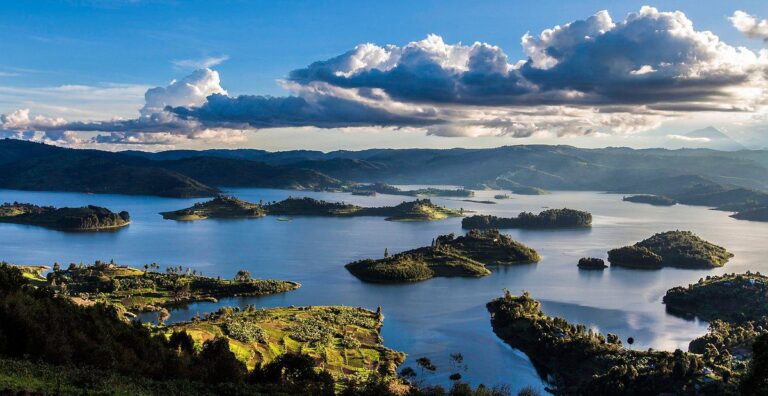
A green season safari Uganda trip takes place during the rains. Uganda sits on the equator and has two rainy periods each year: the long rains from March to May, and the short rains from October to November. Safari operators across East Africa call these months the green season, because that is exactly how the country looks: rivers full, waterfalls thundering and every hillside a deep, saturated green.
Rain usually falls in short, heavy afternoon or evening showers rather than all day, which leaves the mornings, the best time for game drives and treks, largely clear. For month-by-month rainfall and seasonal forecasts, the Uganda National Meteorological Authority publishes official climate data worth checking as your dates approach.
Uganda's Seasons at a Glance
| Period | Season | What to Expect |
|---|---|---|
| December to February | Dry (peak) | Driest months, busiest parks, easy game viewing |
| March to May | Green season (long rains) | Lush scenery, lower rates, muddier trails |
| June to September | Dry (peak) | Second dry season, peak gorilla trekking demand |
| October to November | Green season (short rains) | Quiet parks, discounted gorilla permits in November |
Planning around a specific month? Our guides to Uganda in February and Uganda in March cover the change between seasons in detail.
Green Season Months Compared
| Month | Rain | Gorilla Permit | Good to Know |
|---|---|---|---|
| March | Rains begin | US$800 | Early green season; lodges start to lower rates |
| April | Wettest month | US$600 | Lowest crowds and the best permit value |
| May | Heavy, easing late | US$600 | Lush forests and full rivers |
| October | Short rains begin | US$800 | Quiet parks before the year-end rush |
| November | Short rains | US$600 | Discounted permits and newborn wildlife |
Discounted low season permits cannot be rescheduled, so confirm your flights before you pay. Our gorilla permit cancellation policy guide explains the rules.
7 Reasons a Green Season Safari Uganda Trip Is Worth Booking
1. Genuinely Lower Lodge Rates
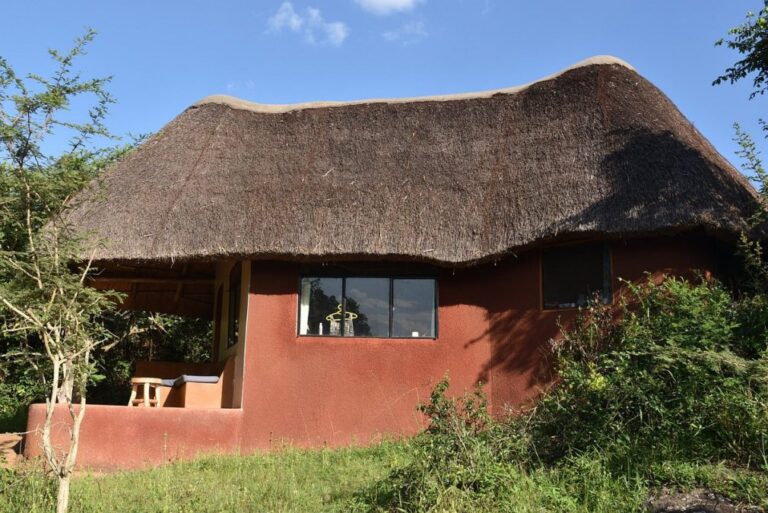
Many lodges lower their rates for a green season safari Uganda trip, often by 20 to 30% compared with the dry season. On a longer trip or a family safari, that saving adds up quickly: the same budget can buy better lodges, or the same trip simply costs less. Compare properties in our guide to the best Uganda safari lodges.
2. Cheaper Gorilla Trekking Permits
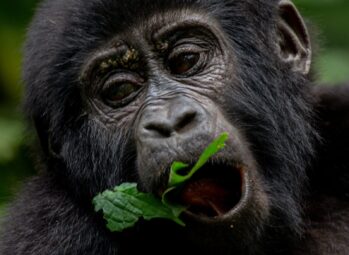
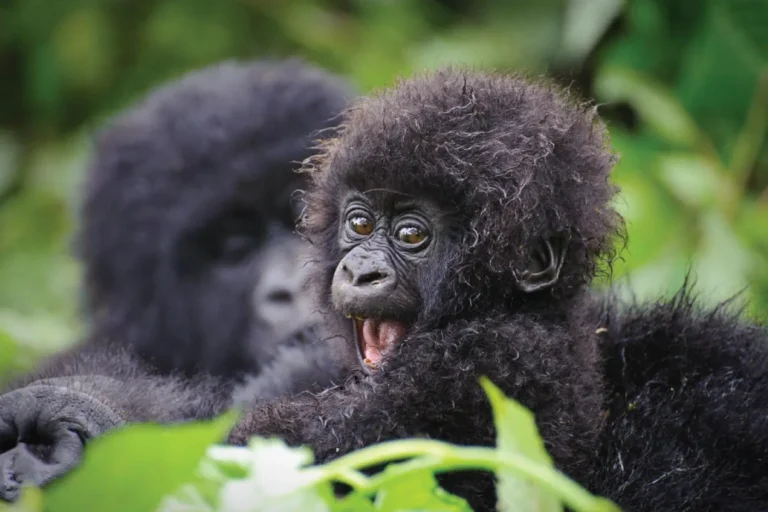
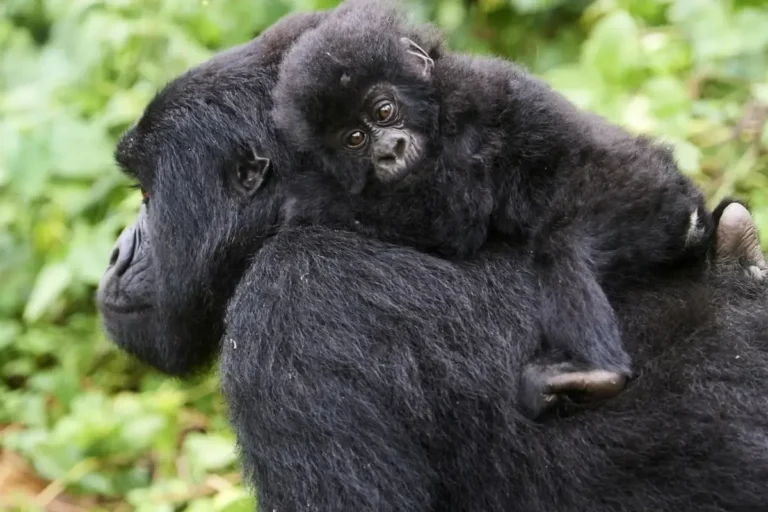
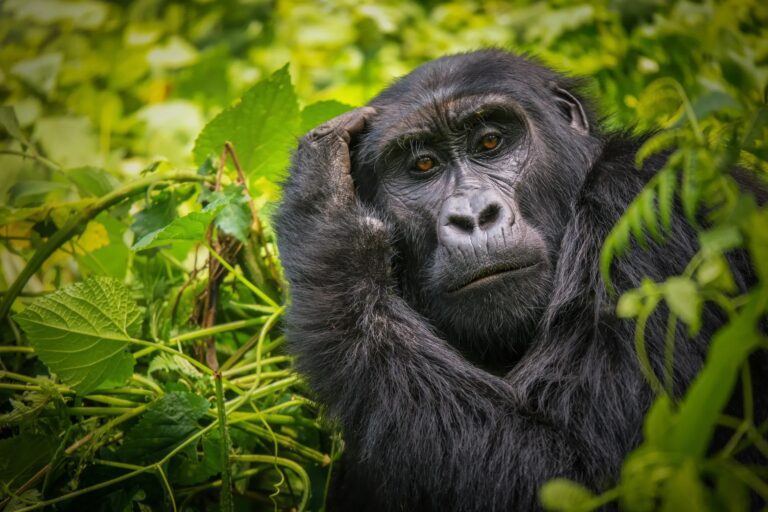
This is the detail most travellers miss. The Uganda Wildlife Authority sells discounted gorilla permits at US$600 per person in April, May and November, a saving of US$200 on the standard US$800 rate. For a couple or a family, that is real money back in your pocket for exactly the same hour with the gorillas. Full details are in our guide to gorilla trekking permits in Uganda, and you can see how Uganda compares with Rwanda and Congo in our gorilla permit prices compared guide.
3. Fewer Crowds, More Personal Encounters
On a green season safari Uganda trip, the parks feel almost private. Uganda's parks are never as busy as East Africa's most famous reserves, and the green season makes them quieter still. You share sightings with fewer vehicles in Queen Elizabeth, wait less at park gates, and often trek with a smaller group in Bwindi.
4. The Most Dramatic Scenery of the Year
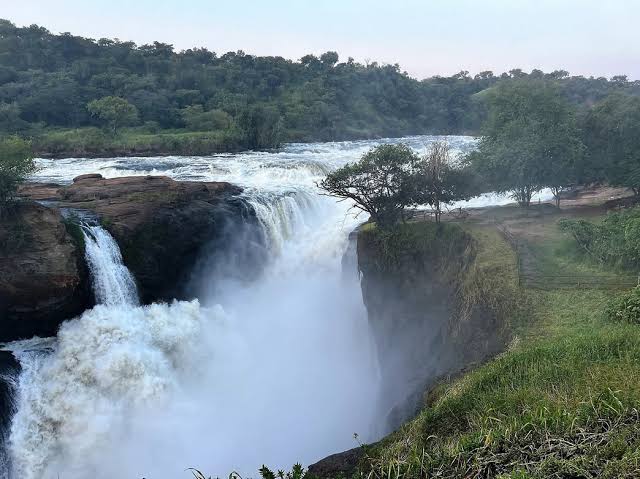
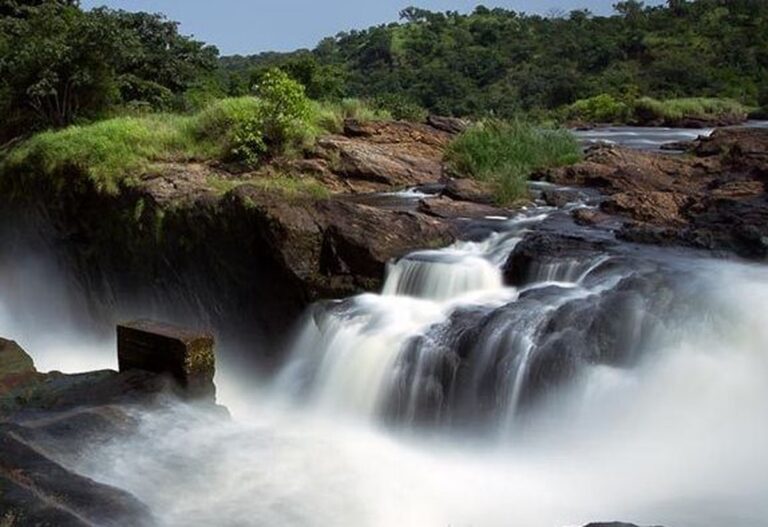
Photographers take note. Murchison Falls runs at its fullest and most powerful after the rains, Bwindi's canopy turns a deep green, and dramatic clouds replace the flat, hazy skies of the dry season. It is the most photogenic time of year for a green season safari Uganda trip.
5. Peak Birdwatching Season
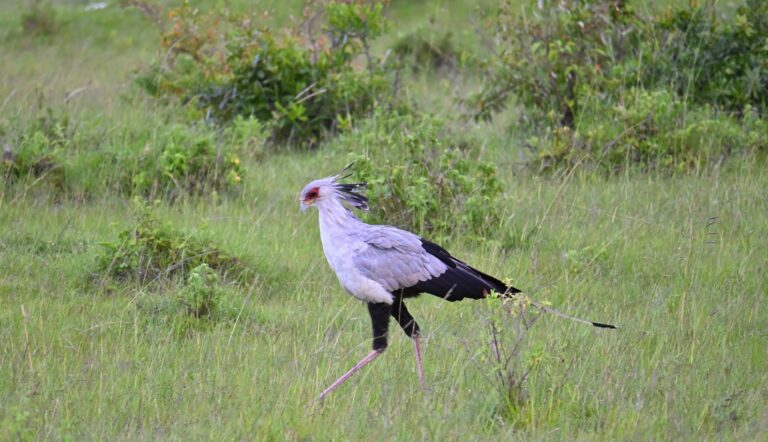
From November to April, migratory birds arrive from Europe and North Africa to join Uganda's resident species, and the fresh growth brings insects and breeding plumage. Serious birders often book a green season safari Uganda trip on purpose. Plan your route with our Uganda birding itinerary guide, and look for the shoebill stork in the papyrus swamps.
6. Newborn Season for Wildlife
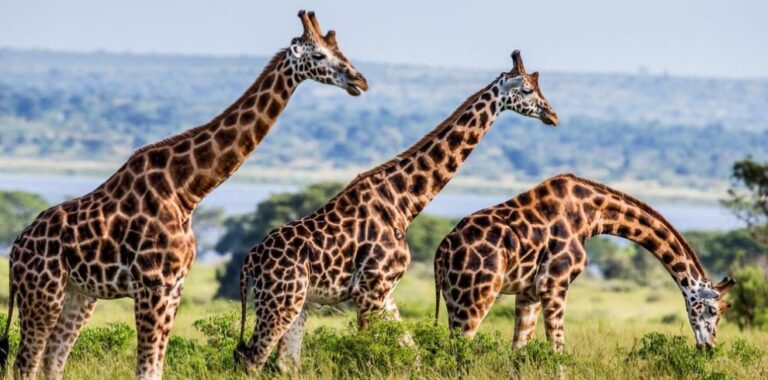
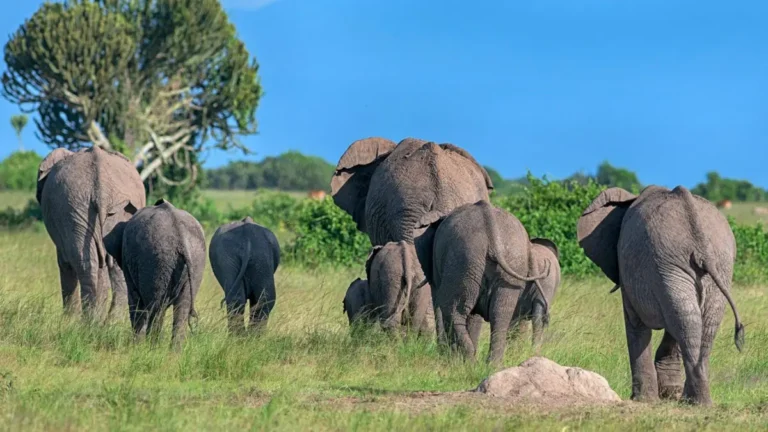
Many grazers time their births to the rains, when fresh grass is plentiful. Travelling now gives you a better chance of seeing young Uganda kob, buffalo calves and other newborns on the savanna, and the predators that follow them.
7. Easier Last-Minute Availability
A green season safari Uganda trip is also easier to arrange. Because fewer people travel in these months, lodge rooms and gorilla permits are easier to secure at shorter notice. If your dates are flexible or you are planning late, the green season gives you far more choice than the peak months.
Plan your green season safari
Tell us your dates and budget. We will check gorilla permit availability, find the best green season lodge rates and send you a free quote.
What to Honestly Expect
We would rather be upfront than oversell it. A green season safari Uganda trip comes with real trade-offs, and knowing them in advance makes for a better trip:
- Gorilla trails get muddier. Slopes in Bwindi and Mgahinga become slippery and more demanding, so good boots, gaiters and a porter matter more. Read what happens if there is rain during gorilla trekking.
- Some remote roads slow down. A few murram roads can add time to transfers after heavy rain. We plan buffer time and, where it helps, a scheduled flight.
- Afternoon showers are likely. Most days bring a short burst of rain, so we plan game drives and treks for the morning.
- Grass grows taller. Spotting animals on the savanna can take a little more patience straight after the rains.
None of this makes a green season safari Uganda trip a lesser experience. It makes it a different one, and for many travellers, a better one.
Best Parks for a Green Season Safari Uganda Trip
Bwindi Impenetrable National Park
Gorilla trekking runs all year, and the lower permit price in April, May and November makes this one of the best value times to trek. The forest is at its most beautiful when wet. Plan your trek with our guide to Bwindi Impenetrable Forest, and get ready with our fitness guide for gorilla trekking.
Queen Elizabeth National Park
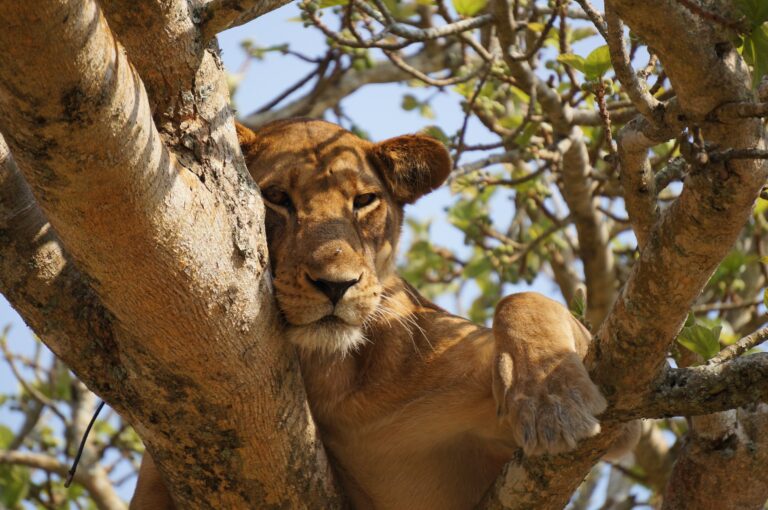
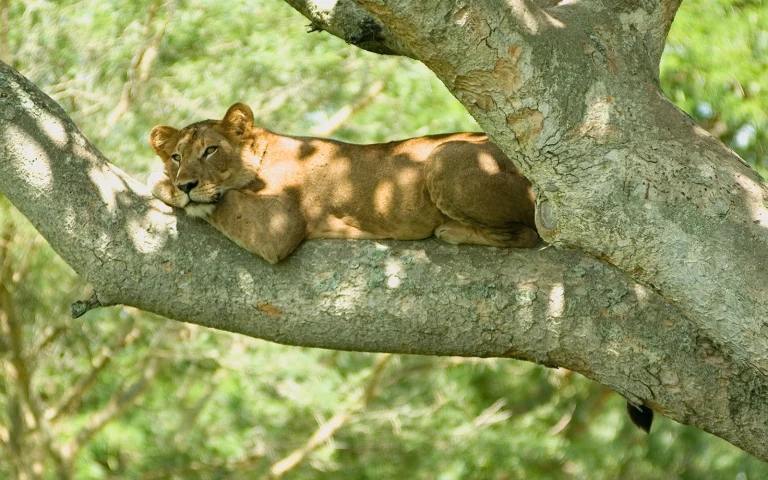
Game drives continue well through the rains, and the Kazinga Channel boat cruise is unaffected by the weather. With over 600 bird species, newborn wildlife and the tree-climbing lions of Ishasha, Queen Elizabeth National Park is a strong green season choice.
Murchison Falls National Park
The falls are at their most powerful in the wet months, and the Nile boat cruise to their base is a highlight in any season. Our guide to the best time to visit Murchison Falls National Park explains how each month compares.
Kibale Forest National Park
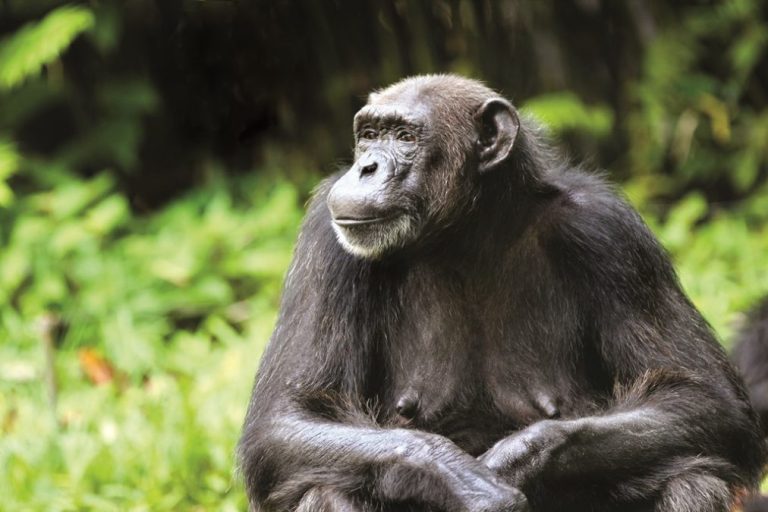
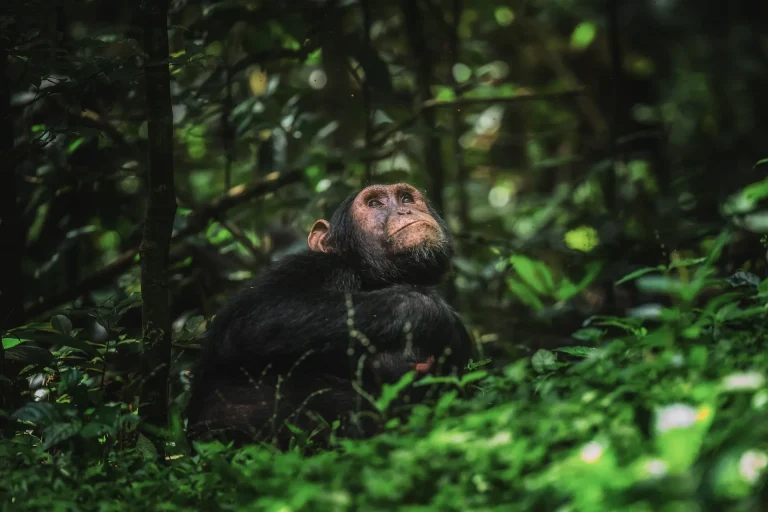
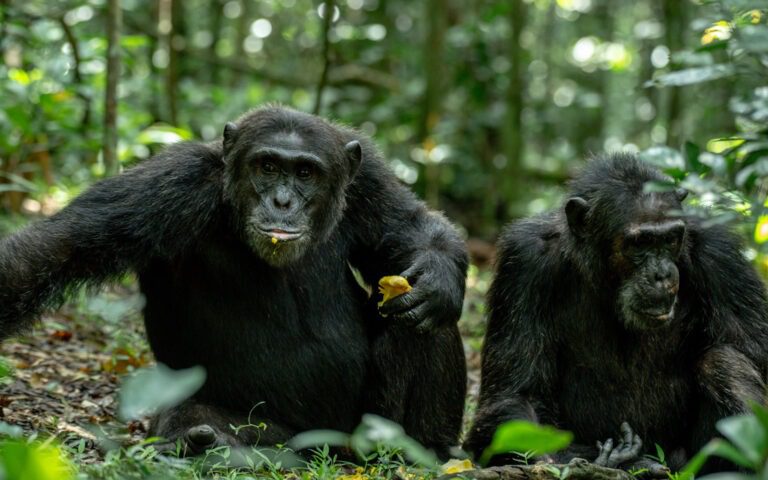
With about 1,500 chimpanzees and 13 primate species, Kibale Forest is Uganda's primate capital. Plenty of fruiting trees in the wet months keep the chimps active, as our guide to chimpanzees in Uganda explains.
For a wider view, see our guides to Uganda national parks, Uganda wildlife safaris and game drives and Uganda's top tourist attractions.
What to Pack for a Green Season Safari Uganda Trip
- Waterproof hiking boots with good grip, already worn in
- A light, breathable rain jacket and a cover for your daypack
- Gaiters and garden gloves for muddy gorilla and chimp trails
- Quick-dry trousers and long-sleeved shirts in neutral colours
- Dry bags or zip bags for your camera and phone
- Insect repellent and your antimalarials
For the full list, see our ultimate gorilla trekking packing list. The same principles apply to every green season activity.
A Sample 8-Day Green Season Safari Uganda Itinerary
| Day | Route | Highlights |
|---|---|---|
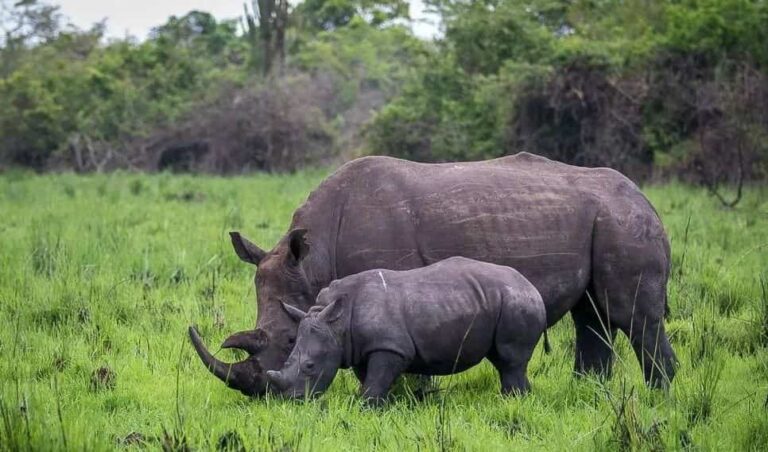
| 1 | Entebbe to Murchison Falls via Ziwa | Rhino tracking on foot |
| 2 | Murchison Falls | Game drive and boat cruise to the falls at full flow |
| 3 | Murchison Falls to Kibale | Scenic drive through Fort Portal |
| 4 | Kibale to Queen Elizabeth | Chimpanzee trekking, then south to the savanna |
| 5 | Queen Elizabeth | Kasenyi game drive and the 2:00 PM Kazinga Channel cruise |
| 6 | Ishasha to Bwindi | Tree-climbing lions, then on to the forest |
| 7 | Bwindi | Gorilla trekking at the green season permit price |
| 8 | Bwindi to Entebbe | Drive or fly back for your departure |
We tailor the pace and lodges to your dates and budget. In the green season, lower lodge rates often make it possible to upgrade your accommodation without raising the overall cost. Prefer a shorter or cheaper trip? See our budget Uganda safaris.
Green Season vs Dry Season: Which Is Right for You?
| Green Season | Dry Season | |
|---|---|---|
| Gorilla permit | US$600 in April, May and November | US$800 |
| Lodge rates | Often 20 to 30% lower | Full rates |
| Crowds | Quiet parks | Busiest months |
| Trails and roads | Muddier, slower in places | Drier and easier |
| Scenery | Lush, green, full waterfalls | Drier, dustier |
| Birding | Peak, with migrants | Good, mostly residents |
If dry trails and the easiest game viewing are your top priorities, the dry months of December to February and June to September remain the safer choice, as our best time to visit Uganda for safari guide explains. If value, quiet parks, scenery and flexibility matter as much as dry weather, a green season safari Uganda trip wins on nearly every count.
Green Season Safaris We Recommend
Each of these safaris works as a green season safari Uganda trip and runs all year. Book any of them for a green season month and we will apply the lower permit and lodge rates where available.
Green Season Safari Uganda: Frequently Asked Questions
When is Uganda's green season?
A green season safari Uganda trip falls in the long rains from March to May or the short rains from October to November.
Is gorilla trekking possible in the rainy season?
Yes. Gorilla trekking runs all year in Bwindi and Mgahinga. Trails are muddier, but permits are easier to get and cost US$600 instead of US$800 in April, May and November.
Is the green season the same as the low season?
Largely, yes. Green season is the safari industry's name for the rainy or low season, because it describes the lush conditions rather than the weather alone.
Will rain ruin my game drives?
Unlikely. Rain usually falls in short afternoon or evening showers, leaving the mornings, the best time for game drives, largely clear.
Is a green season safari Uganda trip cheaper?
Yes. Many lodges lower their rates by around 20 to 30%, and gorilla permits drop to US$600 in April, May and November.
Which parks are best for a green season safari Uganda trip?
Bwindi for discounted gorilla permits, Queen Elizabeth for birds and newborn wildlife, Murchison Falls for the falls at full flow, and Kibale for chimpanzees.
Continue Planning Your Trip
A green season safari Uganda trip rewards travellers who value quiet parks, lush scenery and great value. Browse our Uganda safari itineraries, design your own trip with Build My Safari, or explore our best Uganda gorilla safaris.
Ready for Uganda at its greenest?
Send us your dates. We will check gorilla permit availability, secure the best green season lodge rates and send you a free quote.
Get a Free QuoteChat on WhatsApp
100% Ugandan owned since 2014 • Licensed by UTB • Accredited with UWA • Member of AUTO • Rated 4.9 on TripAdvisor