Visiting Uganda in February is one of the smartest choices you can make for a safari. It falls in the heart of the short dry season, so forest trails are firmer, game viewing is excellent, skies are sunny and the busy Christmas crowds have gone home. It is also the month of Valentine's Day, which makes it a beautiful time for a romantic safari.
This guide covers the weather in Uganda in February region by region, the 8 best reasons to travel this month, where to go, what to pack and the best February safari packages. We plan February trips every year, so the advice comes straight from our guides in the field.
Is February a Good Time to Visit Uganda?
Yes. February is one of the best months of the year to visit Uganda. It sits in the short dry season, which runs from about December to February, before the long rains arrive in March. The weather is warm and mostly dry, wildlife gathers near water, and gorilla and chimpanzee trekking are at their most comfortable.
The only real catch is demand. Many travellers know February is a great month, so gorilla permits and the best lodges book up early. We recommend reserving three to six months ahead.
Weather in Uganda in February
Uganda lies on the Equator, but most of the country sits on a high plateau, so it is warm rather than hot. In February the rains have mostly eased, days are long and sunny, and it is common to go a week or more without a shower in the savanna parks. Rainforests like Bwindi still get the odd short shower, because they make some of their own rain.
| Region | Typical daytime high | Nights | What to expect in February |
|---|---|---|---|
| Kampala, Entebbe and Jinja | About 28 to 30°C | Mild, around 17 to 19°C | Warm and sunny, occasional afternoon shower |
| Bwindi, Mgahinga and Lake Bunyonyi | About 22 to 25°C | Cool, around 10 to 13°C | Fresher trails, morning mist, short showers possible |
| Queen Elizabeth and Lake Mburo | About 28 to 31°C | Mild | Dry savanna, animals gather near water |
| Murchison Falls | About 31 to 33°C | Warm | Hot and dry, superb game drives and Nile cruises |
| Kidepo and Karamoja | About 33 to 35°C, sometimes hotter | Warm | The hottest and driest part of Uganda in February |
| Rwenzori peaks | Near or below freezing high up | Cold | One of the best months for climbing |
Temperatures are typical averages and vary from year to year. For the full year, see our guide to the best time to visit Uganda.
8 Reasons to Visit Uganda in February
1. Excellent gorilla and chimpanzee trekking
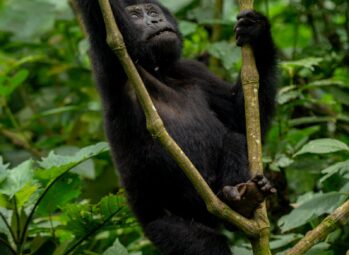
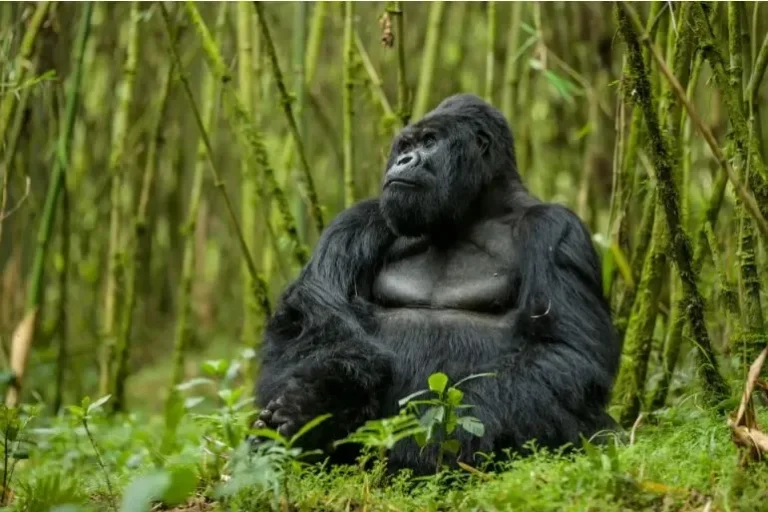
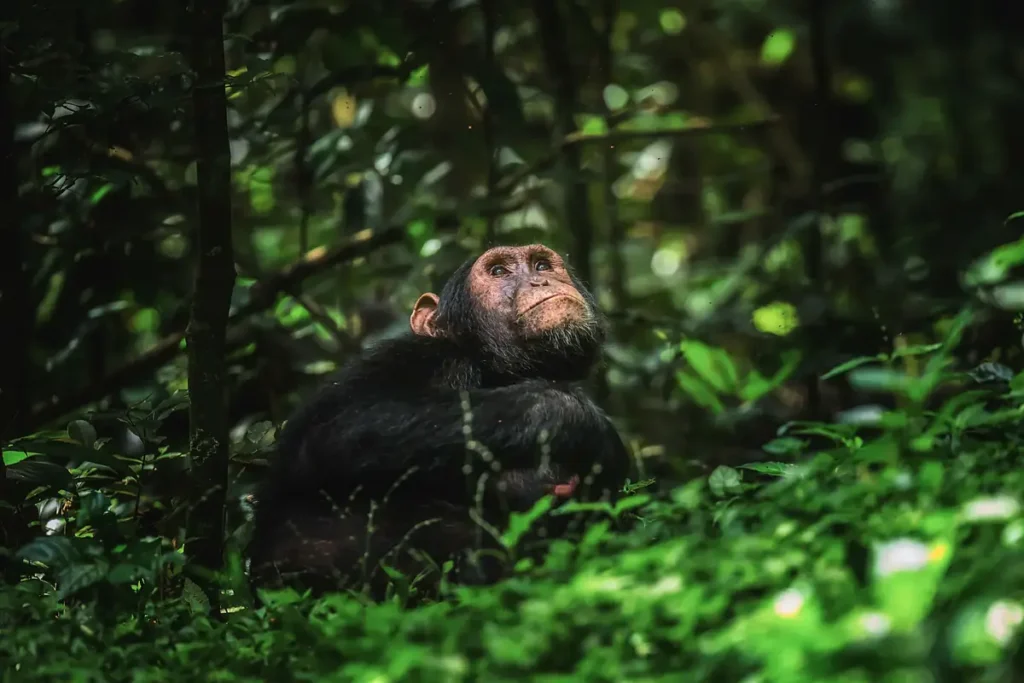
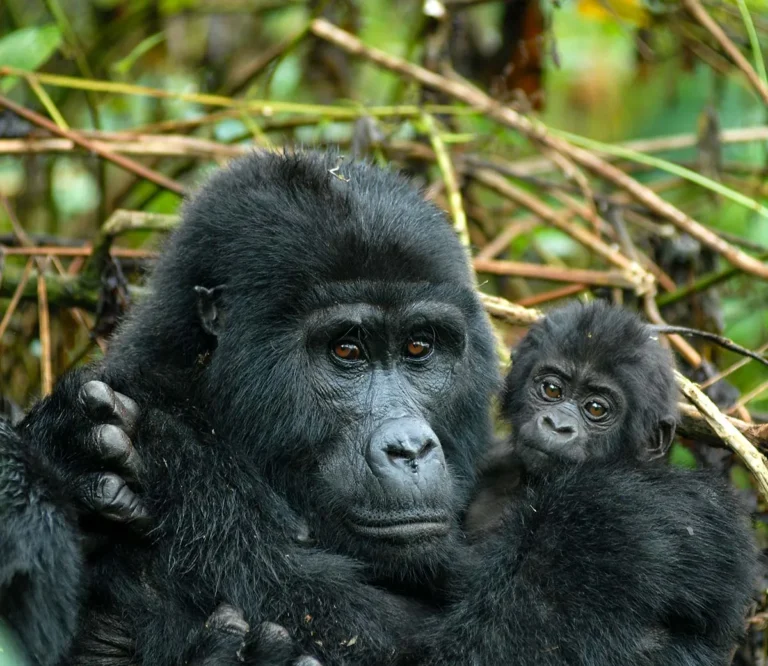
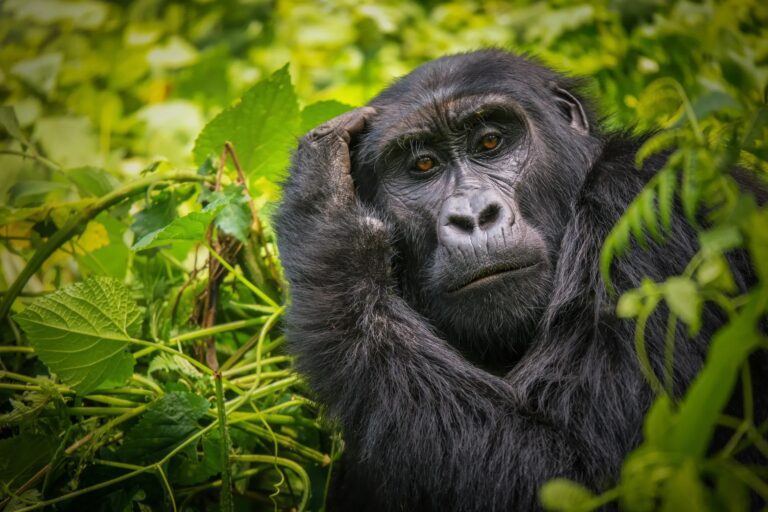
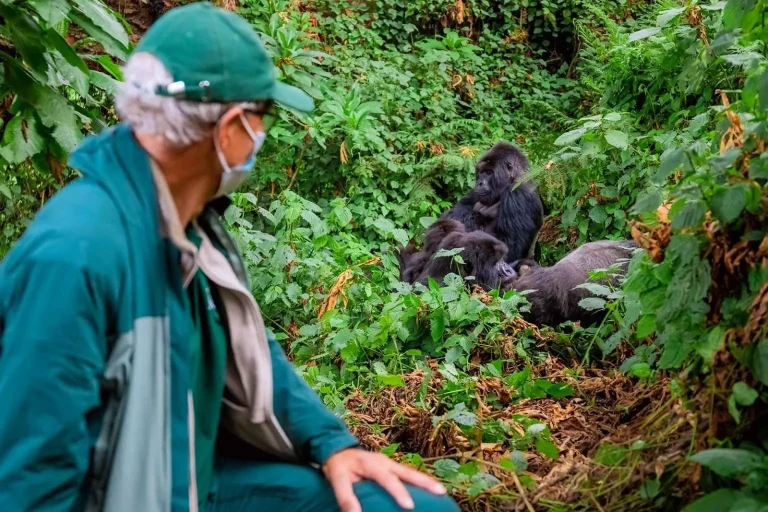
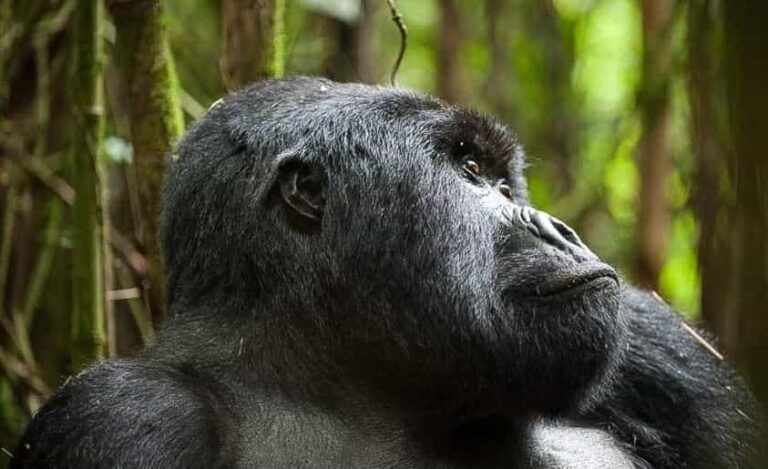
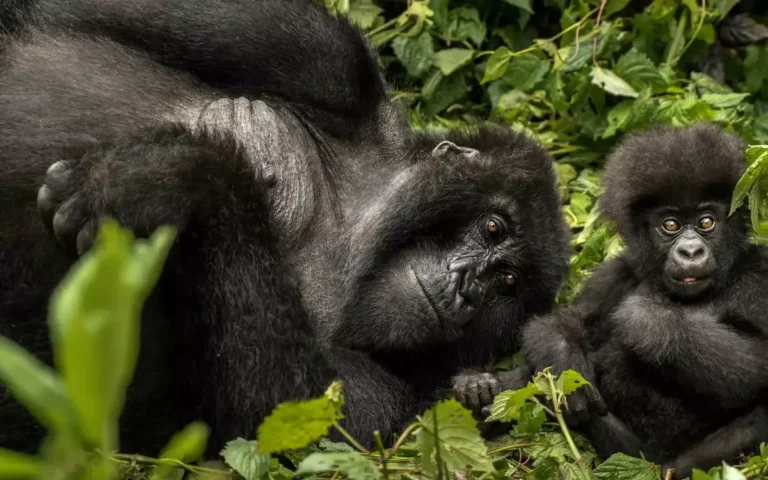
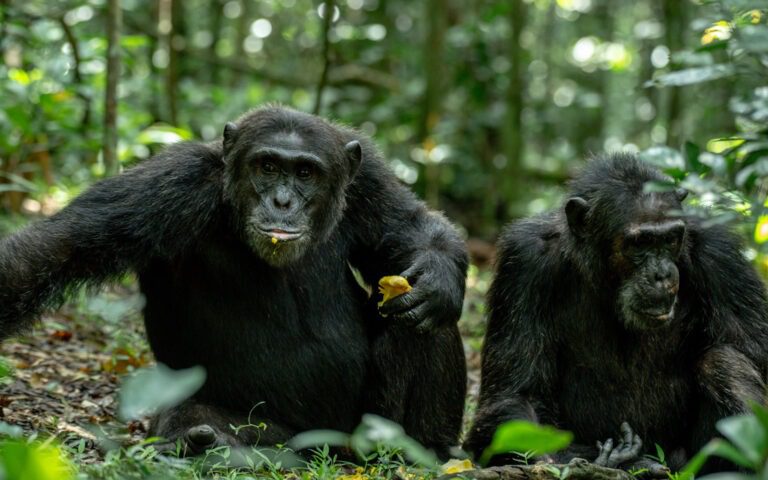
Gorilla and chimp trekking run all year, but in Uganda in February the drier trails make the hike in Bwindi, Mgahinga and Kibale easier and more enjoyable. Less mud means safer footing and more energy for your precious hour with the apes. A gorilla permit in Uganda costs US$800, and February permits sell quickly, so book early. See our guides to gorilla trekking in Uganda and gorilla trekking permits.
2. Superb savanna game viewing
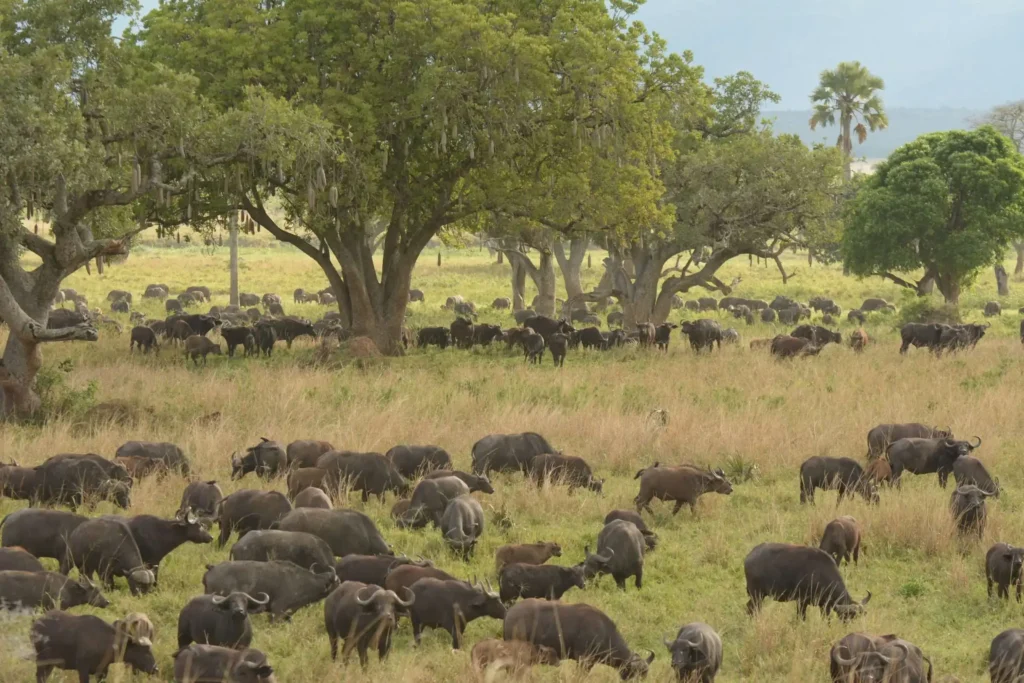
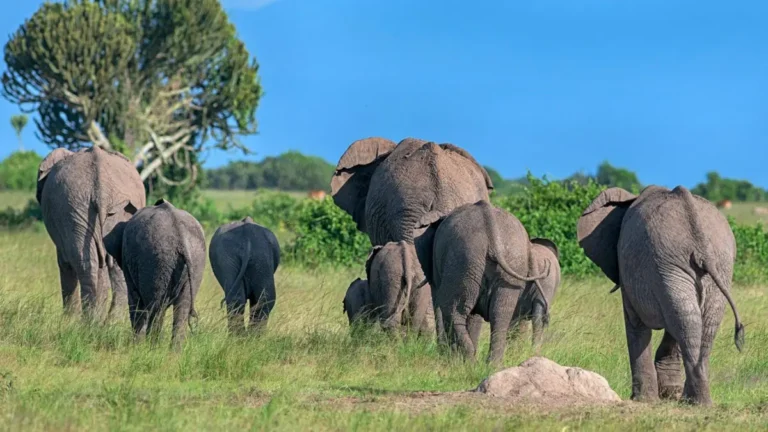
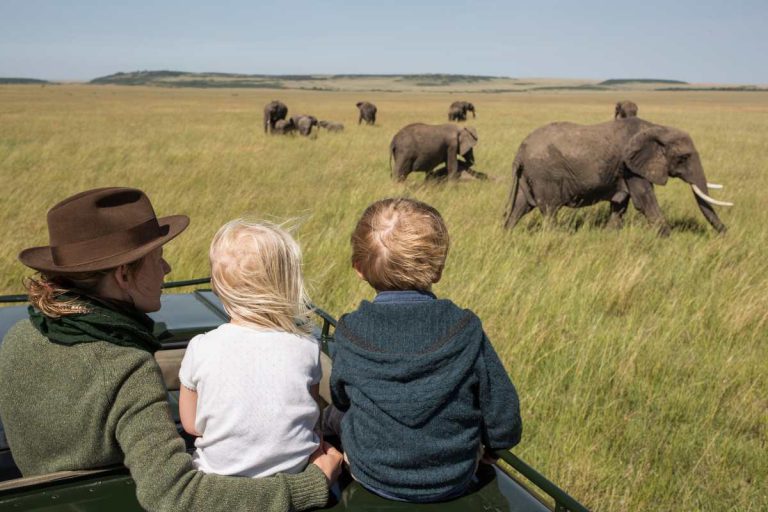
Uganda has four main savanna parks: Murchison Falls, Queen Elizabeth, Kidepo Valley and Lake Mburo. In Uganda in February the grass is shorter and water is scarce, so elephants, buffalo, giraffes, lions and antelopes gather near rivers and lakes. Game drives and boat cruises such as the Kazinga Channel boat cruise are at their best.
3. Fewer crowds than December and January
Once the festive season ends, visitor numbers drop, which makes Uganda in February feel calmer. February feels calmer in the parks and at lodges, while still enjoying peak-season weather. It is a sweet spot for travellers who want great conditions without the holiday rush.
4. A romantic Valentine's safari
February is the month of love, and Uganda is a beautiful place to celebrate it. Picture a private sundowner over the savanna, a candlelit dinner at a lodge overlooking a crater lake, or a canoe trip on Lake Bunyonyi. Read our ideas for a Uganda honeymoon safari.
5. Sunshine for pools, lakes and sundowners
With warm, sunny days, Uganda in February is perfect for relaxing by a lodge pool after a morning game drive, swimming in the safe waters of Lake Bunyonyi or watching the sun set over Lake Victoria in Entebbe.
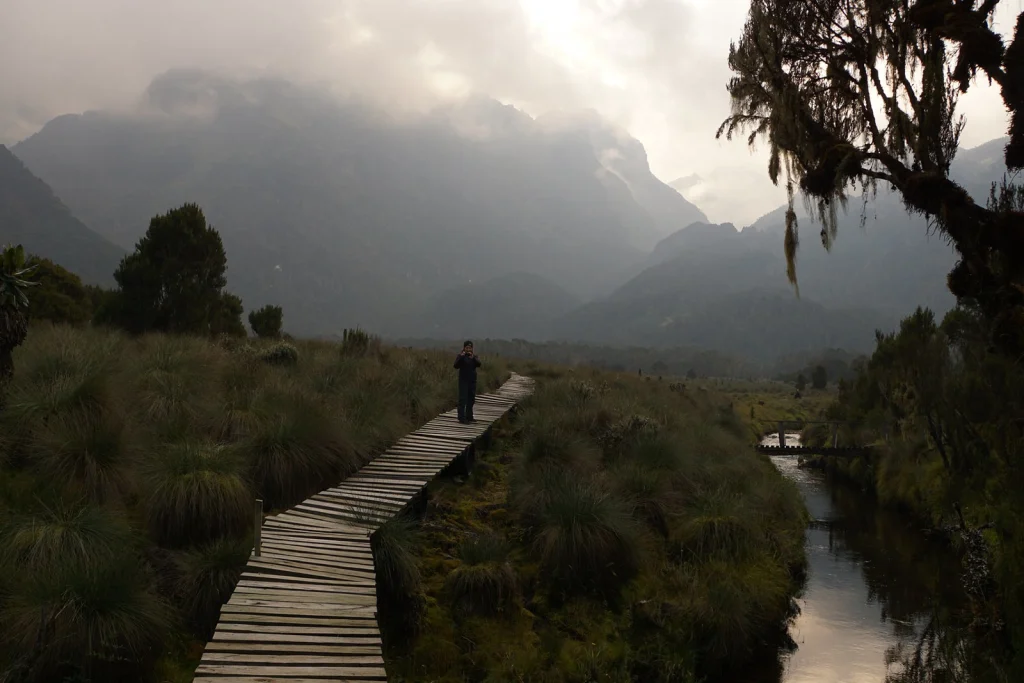
6. One of the best months to climb the Rwenzori
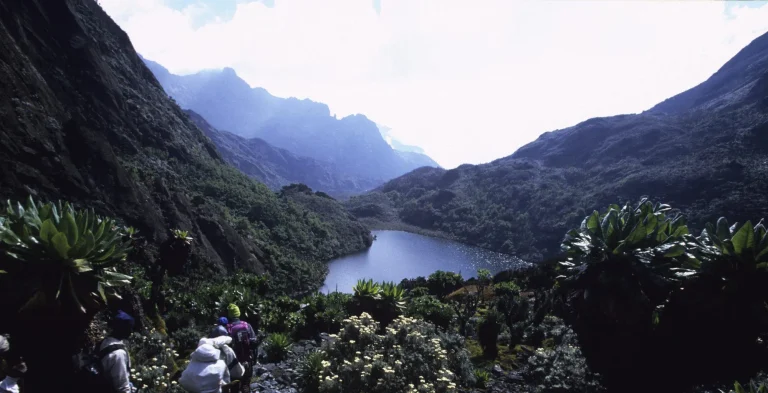
The Rwenzori Mountains, the legendary "Mountains of the Moon", rise to 5,109 metres at Margherita Peak, the third highest summit in Africa. They are among the wettest mountains on the continent, so the drier spells of December to February and June to August are the best times to trek. Expect bog, bamboo, giant groundsels and, near the top, snow and glaciers. See the Rwenzori Mountains National Park.
7. Adventure on the Nile at Jinja
Sunny days in Uganda in February are ideal for Jinja, the adventure capital of East Africa and home of the source of the Nile. Enjoy white-water rafting, kayaking, river tubing, horse riding along the river and sunset cruises. See our guide to things to do in Jinja.

8. Easy to combine with Tanzania, Kenya and Zanzibar
Uganda in February also combines well with the rest of East Africa. In Tanzania's southern Serengeti, the great wildebeest calving season is in full swing, with hundreds of thousands of calves born in just a few weeks and plenty of predator action. It is a good month for climbing Kilimanjaro, and Zanzibar and the Kenyan coast enjoy hot, sunny beach weather. Uganda's gorillas pair perfectly with all of them. See the best time to visit the Serengeti and our Uganda safari and Zanzibar holiday.
Planning to visit Uganda in February?
February permits and lodges fill fast. Send us your dates and we will check gorilla permit availability today.
Birding in Uganda in February
February is a rewarding month for birdwatchers. Migrant birds from Europe and Asia are still present until about March or April, so you can see resident specials and winter visitors on the same trip. Drier weather also makes forest trails in Bwindi, Kibale and Mabira easier to walk, and the shoebill can be found all year in Mabamba Swamp near Entebbe and the Nile Delta in Murchison Falls.
Uganda has recorded more than 1,000 bird species, from the great blue turaco and African green broadbill to the grey crowned crane on the national flag. Morning birding walks are especially pleasant in February before the heat of the day. See our Uganda birding tours for dedicated trips.
Best Places to Visit in Uganda in February
| Destination | Why go in February |
|---|---|
| Bwindi Impenetrable Forest | Drier trails for mountain gorilla trekking |
| Mgahinga Gorilla National Park | Gorillas, golden monkeys and volcano hikes in clear weather |
| Kibale Forest National Park | Chimpanzee tracking on firmer forest paths |
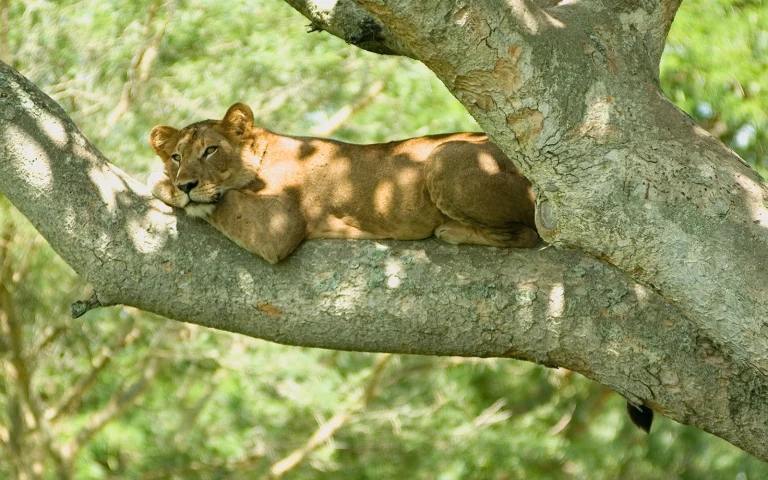
| Queen Elizabeth National Park | Tree-climbing lions, elephants and the Kazinga Channel |
| Murchison Falls National Park | Big game near the Nile and boat trips to the falls |
| Lake Mburo National Park | Zebras, impala and walking and horseback safaris |
| Kidepo Valley National Park | Remote, dry wilderness with cheetahs, ostriches and big buffalo herds |
| Rwenzori Mountains | One of the best windows for trekking |
| Sipi Falls and Mount Elgon | Waterfall hikes and coffee farms in clear weather |
| Jinja and the Nile | Rafting, kayaking and sunset cruises |
| Lake Bunyonyi | Canoeing, swimming and relaxing after gorilla trekking |
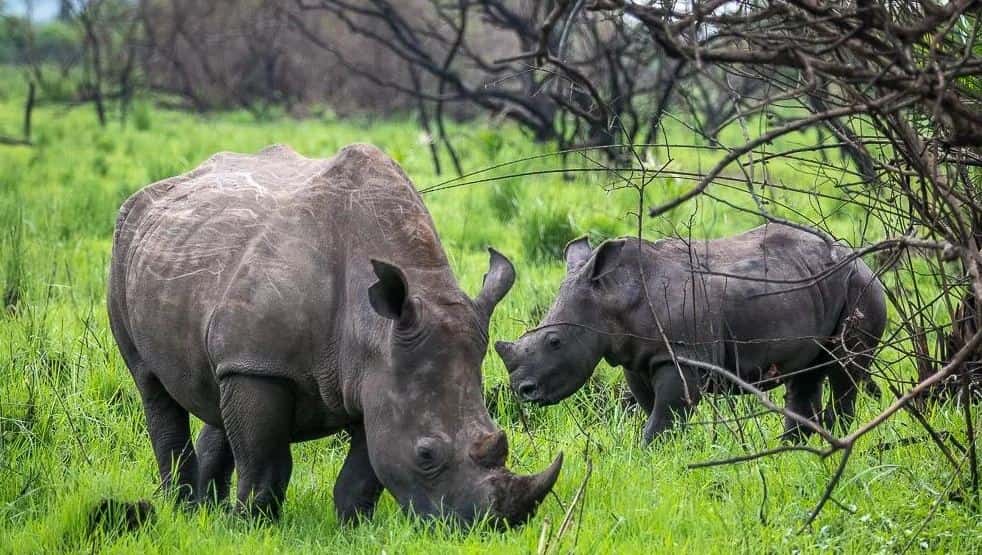
| Mabamba Swamp and Ziwa | The shoebill stork and white rhinos on foot |
How Much Does a Safari in Uganda in February Cost?
February is part of the high season, so prices are similar to December and the middle of the year. The biggest fixed costs are permits and park fees, which are set by the Uganda Wildlife Authority:
- Gorilla trekking permit: US$800 per person in Bwindi or Mgahinga.
- Chimpanzee tracking in Kibale: US$250 per person.
- Park entry: for example US$40 per person per day in Queen Elizabeth National Park.
On top of permits, your budget depends mostly on the lodges you choose and how you travel. Our budget safaris in Uganda start from about US$150 per person per day, excluding permits, while midrange and luxury trips cost more depending on the lodges and whether you fly between parks. Read our guides to budget Uganda safaris and Uganda luxury safaris, and ask us for a free quote for your exact dates.
A Sample 10-Day Itinerary for Uganda in February
Here is one way to make the most of the dry season. We tailor every trip, so treat this as a starting point.
- Day 1: Arrive in Entebbe and relax by Lake Victoria.
- Day 2: Drive north via Ziwa Rhino Sanctuary to track white rhinos on foot, then continue to Murchison Falls.
- Day 3: Morning game drive and afternoon boat cruise to the base of Murchison Falls.
- Day 4: Hike to the top of the falls, then travel south to Kibale Forest.
- Day 5: Chimpanzee tracking in Kibale and the Bigodi wetland walk.
- Day 6: Drive to Queen Elizabeth National Park, with an afternoon Kazinga Channel boat cruise.
- Day 7: Search for tree-climbing lions in Ishasha, then continue to Bwindi.
- Day 8: Gorilla trekking in Bwindi Impenetrable Forest.
- Day 9: Relax on Lake Bunyonyi with a canoe trip among the islands.
- Day 10: Drive or fly back to Entebbe for your flight home.
Events and Holidays in Uganda in February
February is a quieter month for public events, which is part of its charm. Valentine's Day on 14 February is widely celebrated in Kampala and at lodges across the country, with special dinners and couples' packages. Uganda also marks Archbishop Janani Luwum Day, a public holiday on 16 February, so some offices close for the day. It is also a lovely time to visit a coffee farm on our Uganda coffee tours.
What to Pack for Uganda in February
- Light, breathable clothes in neutral colours for warm days.
- A warm fleece or jacket for cool evenings and early mornings, especially in Bwindi and Kabale.
- A light rain jacket, because short showers can still fall in the rainforests.
- Sturdy hiking boots, long trousers and gardening gloves for gorilla and chimp trekking.
- Sun protection: a hat, sunglasses and high-factor sunscreen.
- Insect repellent and your antimalarial medication.
- Binoculars and a camera with a zoom lens for wildlife and birds.
- A swimsuit for lodge pools and Lake Bunyonyi.
For the full list, see our gorilla trekking packing list, and for visas, health and money, our travel to Uganda guide.
Tips for Planning a Safari in Uganda in February
- Book gorilla permits early. February is popular, and permits are limited each day.
- Reserve lodges early too, especially small lodges in Bwindi and around Valentine's Day.
- Start game drives at dawn. February afternoons are hot, and animals are most active early and late.
- Drink plenty of water on treks and game drives.
- Consider flying between parks to save long, hot drives. See our 4-day fly-in gorilla safari.
- Plan a combination trip with the Serengeti calving season or a Zanzibar beach break.
Uganda in February vs Other Months
| Month | Season | Good to know |
|---|---|---|
| December and January | Short dry season | Great weather, busiest festive period. See our Christmas safari in Uganda |
| February | Short dry season | Great weather with fewer crowds than the holidays |
| March to May | Long rains | Lush and quiet, some lodges offer lower rates. See Uganda in March |
| June to September | Long dry season | Peak season with the highest demand for permits |
| October and November | Short rains | Green and quiet, excellent for birding |
For month-by-month advice on gorillas, read the best time to visit Bwindi for gorilla trekking.
Safari Packages for Uganda in February
These tours are all excellent choices for Uganda in February, from a quick gorilla trek to a combined Uganda and Tanzania adventure. Each one can be tailored to your dates and budget.
Continue Planning Your Trip
Uganda in February is one of the best times to experience the country: dry trails, great wildlife and warm sunny days. Tell us your dates and we will check gorilla permit availability straight away.
Plan your February safari in Uganda
Share your travel dates and interests, and we will send a free, tailor-made quote with permits, lodges and transport included.
Get a Free QuoteChat on WhatsApp
Licensed by UTB and UWA • Member of AUTO • Rated 4.9 on TripAdvisor